
Discover how to design rigid box inserts for better product protection, secure product fit, and premium presentation. Explore materials, insert structures, shipping considerations, and testing for perfume, candle, and gift packaging.
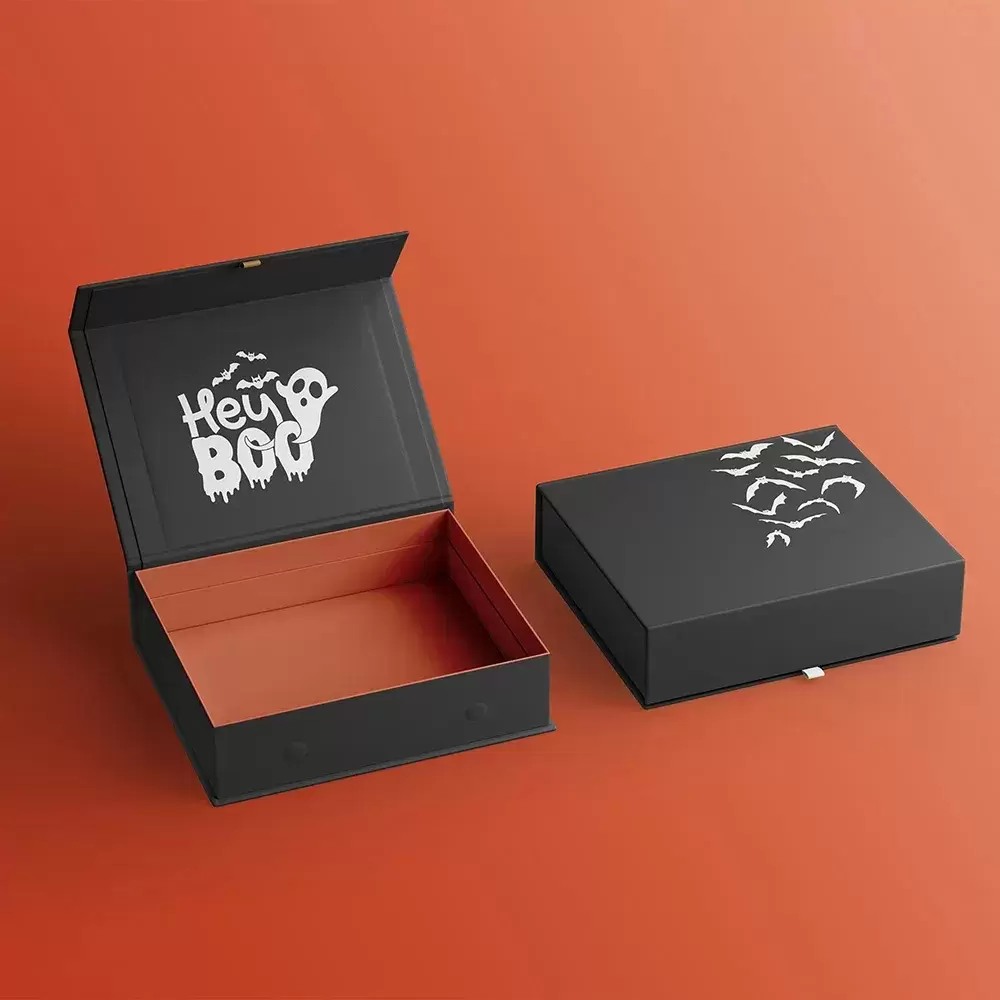
Rigid box inserts play an important role in protecting premium products during storage, handling, and shipping. They hold items securely, minimise movement and improve the unboxing experience. For brands packaging perfumes, candles, cosmetics and gift sets, choosing the right insert requires careful consideration of product size, weight, fragility and presentation.
What Are Rigid Box Inserts?
Rigid box inserts are fitted components placed inside packaging to secure products and prevent unnecessary movement. They create dedicated compartments, protect delicate items and maintain an organised appearance. Common materials include paperboard, moulded pulp and foam, each offering different levels of support and cushioning.
Choosing the Right Insert Material
Paperboard inserts are suitable for many lightweight products and can be customised with cut-outs, folded sections and printed finishes. Moulded pulp provides structured support and may offer recyclability depending on its composition and local facilities. Foam inserts can provide additional cushioning for fragile products, although disposal and environmental considerations should be assessed.
Material selection should depend on product weight, impact sensitivity, packaging requirements, and sustainability goals.
Designing Inserts for Perfumes, Candles and Gift Sets
Perfume bottles often contain fragile glass that requires a secure fit to reduce movement and prevent contact with other components. Candle gift sets may include glass jars, lids, and accessories that benefit from separate compartments.
Accurate measurements are essential. Inserts should hold products firmly without applying excessive pressure or leaving gaps that allow items to shift. For multi-item packaging, compartments should also make products easy to arrange and remove.
How Do Inserts Protect Products During Shipping?
Packaging inserts help minimise movement, scratches, and breakage by supporting products at appropriate contact points. Fragile or heavy items may require additional cushioning and stronger structural support.
The complete shipping system also matters. Rigid boxes are often placed inside outer shipping cartons with suitable protective materials. Inserts, cushioning, and outer cartons should work together to reduce the risk of transit damage.
Balancing Protection and Sustainability
Effective packaging balances product safety, appearance and responsible material use. Right-sized inserts and simplified structures can help reduce unnecessary materials while maintaining functionality.
Recyclable materials may be suitable for some applications, but coatings, adhesives, and mixed components can affect recyclability. Brands should verify environmental claims based on actual material composition and local recycling options.
Why Prototyping and Testing Matter
Prototyping helps identify fitting issues, pressure points, and assembly problems before mass production. Testing with the actual product allows designers to assess insert performance and make necessary adjustments.
Depending on shipping conditions, testing may include vibration, compression, handling, and drop tests of the complete package. These checks are particularly valuable for fragile products and multi-item gift sets.
Key Factors When Selecting Rigid Box Inserts
Businesses should consider:
Product dimensions, weight, and fragility
Insert material and compatibility
Protection against movement and impact
Ease of assembly and unpacking
Visual presentation and brand identity
Material efficiency and recyclability
Prototype and shipping test results
Conclusion
Well-designed rigid box inserts improve product protection, stability, and presentation. Selecting suitable materials, ensuring accurate fit, and testing prototypes can help businesses reduce damage and deliver a better unboxing experience. Hale Path Packaging provides custom packaging solutions, including rigid boxes, designed to balance functionality, product fit and premium presentation.
Frequently Asked Questions
What is the purpose of rigid box inserts?
They secure products inside packaging, minimise movement, help prevent damage and improve presentation.
Which material is best for packaging inserts?
Paperboard, moulded pulp and foam are common options. The right choice depends on product fragility, protection requirements and sustainability considerations.
Are rigid box inserts suitable for perfume and candle packaging?
Yes. Custom-fitted inserts can support fragile perfume bottles, candle jars and gift set components.
Why is insert testing important?
Testing helps identify design weaknesses, improve product fit, and assess protection during shipping.











Comments (0)