
ACG launches RecycloPod PP Ultra, a PP-based blister with high oxygen and moisture barriers designed for recyclable pharmaceutical packaging.
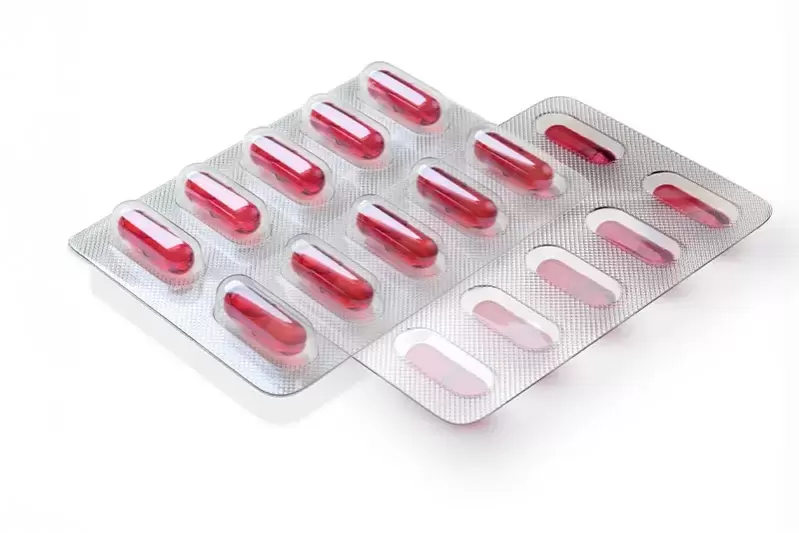
ACG develops high-barrier PP blister for recyclable pharmaceutical packaging
ACG has launched RecycloPod PP Ultra, a new polypropylene-based blister packaging system designed to combine high moisture and oxygen barrier protection with a packaging structure engineered for improved recyclability.
The development targets a key challenge in pharmaceutical blister packaging: moving towards simpler polymer structures without compromising the protection required by sensitive medicines.
ACG says the new system was developed in collaboration with customers and forms part of its new RecycloPod family of sustainable pharmaceutical packaging solutions.
PP structure addresses oxygen barrier limitations
Polypropylene has attracted increasing interest as a material for recyclable pharmaceutical blisters, but achieving sufficient oxygen protection can be more difficult than achieving moisture resistance.
RecycloPod PP Ultra addresses this challenge through a PP/EVOH/PP forming structure that combines polypropylene with a thin high-barrier EVOH layer.
The structure is designed to provide protection against both moisture and oxygen while maintaining a predominantly polypropylene packaging architecture.
Barrier performance targets sensitive medicines
ACG reports a water vapour transmission rate below 0.60 g/m² per day and an oxygen transmission rate below 0.20 cm³/m² per day.
These properties are intended to protect pharmaceutical formulations from environmental exposure that could affect stability, shelf life or product performance.
For blister packaging, maintaining an appropriate barrier is essential because medicines can be particularly sensitive to moisture and oxygen throughout their storage period.
PP lidding completes the packaging structure
The forming material is designed to be used with a polypropylene lidding film, creating a predominantly PP blister system.
The combination is intended to provide reliable thermoforming and sealing on pharmaceutical packaging lines, reducing the need for major changes to existing production infrastructure.
Compatibility with established manufacturing processes is an important consideration as pharmaceutical companies transition towards more recyclable packaging formats.
Recyclability becomes a pharmaceutical packaging priority
Pharmaceutical blister packaging has traditionally relied on complex combinations of plastics and aluminium to achieve the required barrier performance.
While these structures provide effective medicine protection, their material complexity can make recycling more difficult.
The RecycloPod approach attempts to simplify the packaging architecture while retaining the barrier performance required by pharmaceutical applications.
PPWR increases pressure on blister redesign
The development comes as pharmaceutical packaging manufacturers prepare for the European Union’s Packaging and Packaging Waste Regulation.
The PPWR is increasing attention on packaging recyclability and encouraging manufacturers to assess whether established structures can be redesigned around simpler material systems.
For pharmaceutical companies, however, packaging changes must also maintain product stability, regulatory compliance and patient safety.
High-barrier recycling requires careful material design
The use of EVOH illustrates the complexity of designing high-performance packaging for circular systems.
Barrier materials can provide essential protection while also introducing additional considerations for recycling compatibility.
The challenge is therefore not simply to remove every secondary material, but to engineer structures in which functional barrier layers remain compatible with the intended recycling pathway.
RecycloPod expands ACG’s pharmaceutical packaging portfolio
ACG is positioning RecycloPod PP Ultra as part of a wider portfolio designed to help pharmaceutical manufacturers reduce the environmental impact of packaging.
The company is combining material innovation with its existing capabilities in pharmaceutical packaging production, aiming to provide solutions that can move into commercial manufacturing without completely changing established packaging operations.
Blister packaging enters a new material-design phase
The development demonstrates how pharmaceutical blister packaging is evolving from a simple barrier optimisation exercise towards a more complex balance between product protection and circularity.
Future blister structures will need to provide the high barrier performance required by medicines while also reducing unnecessary material complexity and improving compatibility with recycling systems.
RecycloPod PP Ultra represents one approach to that challenge by combining a predominantly polypropylene structure with a high-performance barrier layer and existing pharmaceutical converting processes.



Comments (0)