
ALPLA and CCL Label launch a recyclable 0.33L PET beverage can with EcoFloat sleeve, rPET potential and compatibility with existing filling lines.
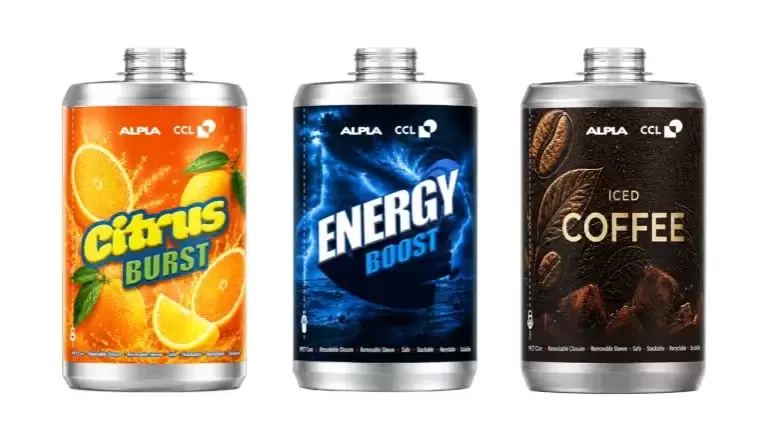
ALPLA and CCL Label introduce a PET alternative to aluminium cans
ALPLA and CCL Label have jointly developed a stackable 0.33-litre PET beverage can designed as a recyclable and quickly scalable alternative to conventional aluminium cans.
The new bottle-in-can format combines the shape and visual appearance of a metal can with established PET processing and recycling infrastructure.
According to the companies, the solution can be integrated into existing PET filling lines, allowing beverage producers to adopt the format without investing in entirely new filling equipment.
Existing PET lines can handle the new format
Compatibility with current PET production infrastructure is one of the main advantages highlighted by ALPLA.
Manufacturers can use familiar preform, blowing and filling technologies while introducing a container that visually resembles a traditional beverage can.
This could reduce both implementation time and capital expenditure compared with packaging formats requiring dedicated production and filling systems.
Full-body sleeve creates a metallic appearance
CCL Label supplies its EcoFloat full-body shrink sleeve, providing a 360-degree decoration surface around the PET container.
The sleeve can produce silver effects and mirror finishes intended to reproduce the premium visual characteristics typically associated with metal cans.
Because decoration is applied after filling, beverage manufacturers can also separate packaging production from final artwork selection, increasing flexibility for short runs, regional designs and promotional editions.
EcoFloat sleeve separates during PET recycling
The shrink sleeve is manufactured from low-density polyolefin and has been designed to separate from PET flakes during the recycling process.
This enables the bottle body to remain within established PET recycling streams while reducing contamination from decorative materials.
The can can also be manufactured using recycled PET, allowing producers to incorporate rPET and potentially reduce the carbon footprint of the package.
Tethered cap adds resealability to the can format
Unlike a traditional aluminium beverage can, the new PET format uses a tethered plastic closure that can be resealed after opening.
This provides greater convenience for consumers while also helping prevent insects and other contaminants from entering the container after use.
ALPLA says the closed format may also reduce cleaning requirements during collection and recycling, particularly in deposit return systems.
PET format avoids BPA-containing internal coatings
Conventional metal beverage cans commonly require internal coatings to prevent direct contact between the product and the metal surface.
The PET can does not require epoxy coatings containing bisphenol A, providing an additional advantage as European restrictions on bisphenols in food-contact packaging continue to tighten.
The companies are therefore positioning the solution not only as an alternative material format but also as a response to changing regulatory requirements.
Preforms could improve packaging logistics
The system may also offer logistical benefits compared with shipping fully formed empty metal cans.
PET preforms and shrink sleeves require significantly less storage and transport space than finished beverage containers, allowing the package to be formed closer to the filling operation.
This combination of familiar PET infrastructure, recyclable components, compact logistics and flexible decoration could make the new format attractive for beverage manufacturers seeking alternatives to conventional aluminium cans.







Comments (0)