
Arpanon launches a lightweight PET bottle designed to reduce energy consumption by 50% while lowering material use and emissions.
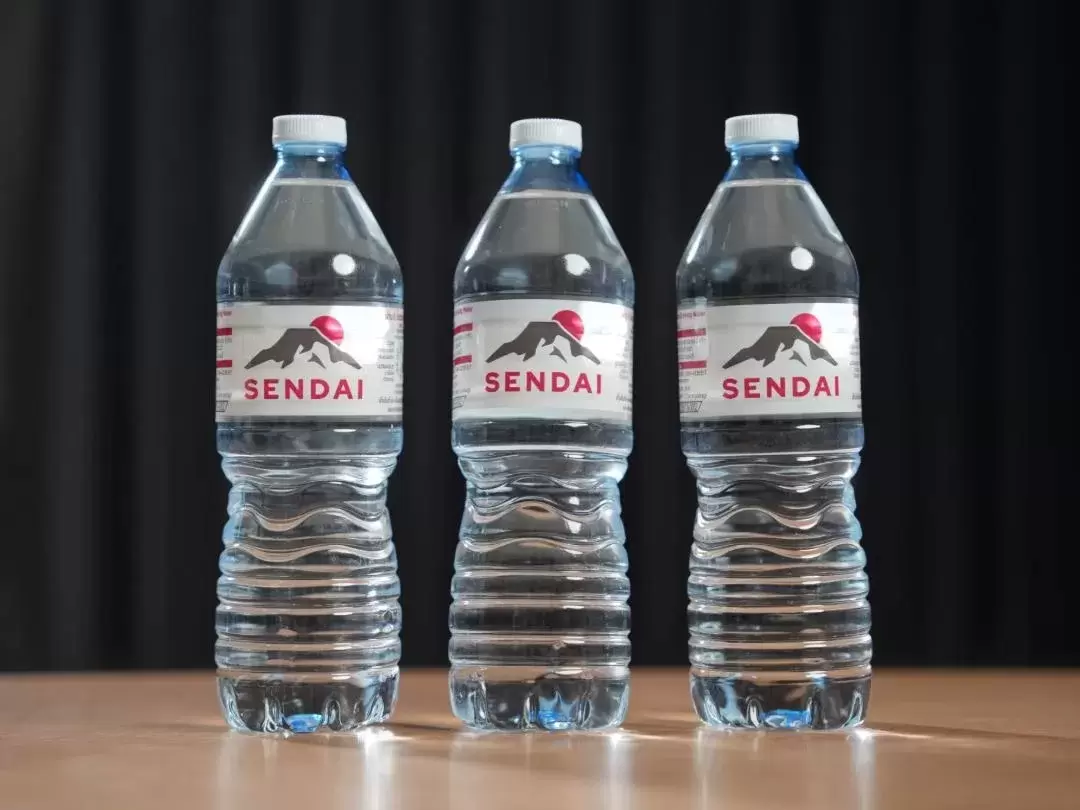
Arpanon develops lightweight PET bottle focused on energy reduction
Packaging developer Arpanon has introduced a new lightweight PET bottle designed to reduce energy consumption during production while maintaining the performance required for beverage packaging applications.
The development reflects a wider industry shift towards reducing the environmental impact of established packaging materials through improved design, lower material use and more efficient manufacturing processes.
Rather than replacing PET entirely, the approach focuses on optimising one of the most widely used beverage packaging materials.
Lightweighting reduces material and energy demand
Lightweighting has become one of the main strategies used by beverage producers to reduce packaging impacts.
By removing unnecessary material while maintaining structural performance, manufacturers can reduce resin consumption, lower production requirements and decrease transport-related emissions.
Arpanon’s new bottle applies this principle through a redesigned structure intended to achieve lower resource consumption during manufacturing.
Production efficiency targets lower carbon impact
The company says the new design can reduce energy consumption during production by around 50% compared with conventional approaches.
Reducing energy demand is an important factor in packaging decarbonisation because manufacturing processes contribute significantly to the overall footprint of plastic packaging.
Lower energy requirements can become even more relevant as manufacturers transition towards renewable energy systems and seek further reductions across their operations.
PET remains important in beverage packaging
PET continues to be widely used for beverage containers because it combines low weight, mechanical strength, transparency and established recycling infrastructure.
For many applications, improving the performance of PET packaging may offer faster environmental gains than switching immediately to alternative materials that require different production and recovery systems.
The challenge is ensuring that lightweight designs continue to meet requirements for filling, transport, handling and consumer use.
Design optimisation supports circular packaging goals
Lightweighting also plays a role in improving the overall efficiency of circular packaging systems.
Using less material reduces the amount of polymer required for each package, while maintaining compatibility with existing PET recycling streams.
When combined with increased recycled content and improved collection systems, lighter PET formats can contribute to lower-impact packaging cycles.
Future PET development focuses on efficiency
The Arpanon bottle reflects a broader trend in beverage packaging where sustainability improvements increasingly come from engineering optimisation rather than complete material replacement.
Companies are exploring ways to reduce weight, improve energy efficiency and increase recycled content while preserving the operational advantages that have made PET successful.
Lightweight packaging must balance performance and reduction
The main challenge for ultra-light packaging is maintaining sufficient strength throughout the product lifecycle.
A successful lightweight bottle must withstand production pressures, filling operations, transportation, stacking and consumer handling without increasing waste caused by damaged products.
Arpanon’s development highlights how packaging design is becoming increasingly focused on finding the optimum balance between material efficiency, industrial performance and environmental impact.
Energy-efficient PET could support beverage decarbonisation
As beverage companies pursue lower-carbon packaging strategies, improvements in PET efficiency may remain an important part of the transition.
Combining lightweight structures with renewable energy, recycled content and effective recycling systems could help reduce the environmental impact of high-volume beverage packaging.
The Arpanon bottle demonstrates how incremental engineering improvements can contribute to broader packaging decarbonisation goals.





Comments (0)