
Cepac plans to close its Darlington site, putting 63 jobs at risk after slower-than-expected growth in its Flutepac fibre packaging range.
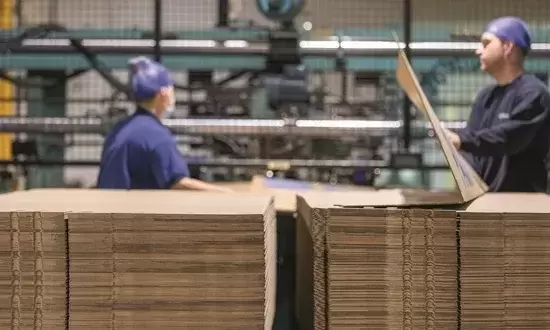
Cepac proposes closure of its Darlington packaging site
UK corrugated packaging manufacturer Cepac has announced plans to close its Darlington production facility, potentially affecting up to 63 employees.
The company has entered a 30-day redundancy consultation period with employee representatives before any final decision is made.
The Darlington site specialises in the production of small corrugated trays sold under Cepac’s Flutepac brand, a fibre-based packaging range developed as an alternative to conventional plastic food packaging.
Flutepac growth falls below expectations
Cepac says the proposed closure follows continued financial losses at the facility and slower-than-anticipated market development for the Flutepac portfolio.
Group Managing Director Steve Moss said the company had invested significantly in new equipment at Darlington but that the accelerated growth expected for fibre-based corrugated trays had not materialised.
The announcement highlights the commercial challenges packaging manufacturers can face when scaling alternative materials, even as demand for recyclable and fibre-based formats continues to increase across the food sector.
Site received major investment in fibre packaging
Darlington had previously been positioned as an important part of Cepac’s investment strategy for direct food-contact packaging.
In 2024, the company expanded corrugating capacity and installed additional equipment dedicated to Flutepac production as part of a wider £20 million investment programme.
The facility was designed to manage multiple production stages under one roof, including barrier coating, corrugating, die-cutting, folding and gluing.
This integrated setup enabled Cepac to manufacture recyclable trays, punnets and clamshells for applications including fresh produce, bakery, salads, sushi and food-to-go.
Fibre alternatives face commercial scaling pressures
Flutepac was developed to provide a paper-based alternative to rigid plastic packaging while maintaining the moisture, grease and structural performance required for direct food contact.
The system uses corrugated fibre substrates combined with recyclable barrier coatings designed to improve resistance to moisture, oils and fats.
However, the proposed closure suggests that technical capability alone may not be enough to guarantee rapid market adoption, particularly where fibre-based alternatives compete with established plastic formats on price, performance and availability.
Closure could reduce Cepac’s manufacturing footprint
Cepac currently operates four manufacturing sites across northern England, including facilities in Rotherham, Rawcliffe, Doncaster and Darlington.
If the closure proceeds, the company says it will attempt to support affected employees in finding alternative positions within other Cepac operations or elsewhere in the local area.
The decision could also result in production being redistributed across the group’s remaining sites, although Cepac has not yet detailed how Flutepac manufacturing would be handled if Darlington closes.
Market adoption remains critical for sustainable packaging investment
The development provides a reminder that the transition towards fibre-based packaging depends not only on regulatory pressure and sustainability targets but also on sufficient commercial demand.
Packaging manufacturers across Europe have invested heavily in new paper and fibre technologies as brands seek alternatives to plastic and prepare for stricter packaging regulation.
Cepac’s experience at Darlington demonstrates the importance of aligning manufacturing investment with the speed at which customers are prepared to adopt new formats at industrial scale.









Comments (0)