
deltaH Innovations unveils a commercial self-cooling can that lowers beverage temperature by up to 15°C without compromising recyclability.
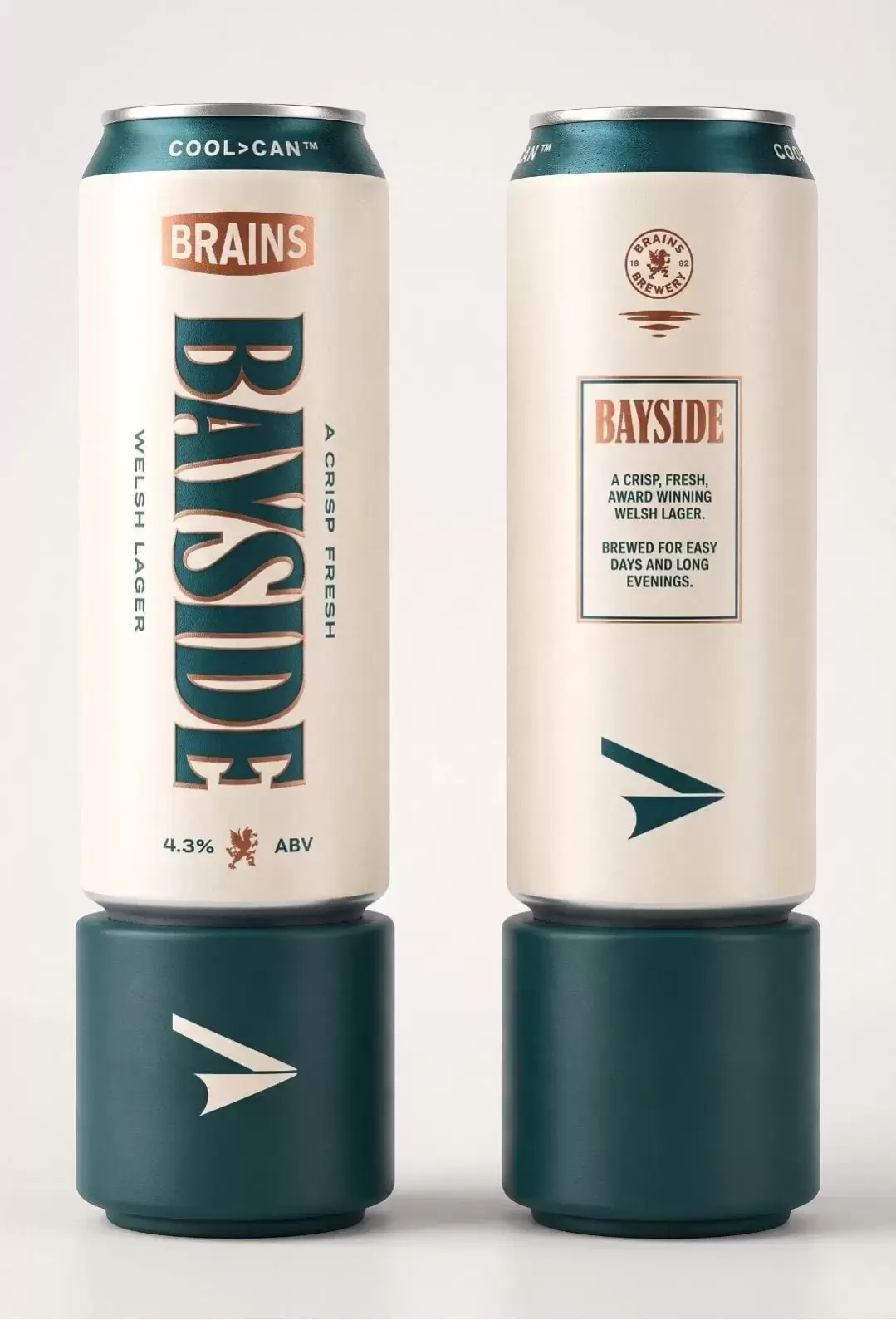
Cool>Can moves from prototype to commercial packaging
deltaH Innovations is preparing to unveil the first fully branded and commercialised version of its Cool>Can self-cooling beverage package at London Packaging Week 2026, marking a significant step from technical prototype towards mainstream market adoption.
The technology has been developed over two years and allows consumers to chill a beverage directly inside the package without requiring refrigeration, ice or an external cooling device.
Push-button system activates internal cooling
The Cool>Can uses a push-button mechanism to trigger an internal chemical reaction that lowers the temperature of the beverage by approximately 10°C to 15°C, depending on the starting conditions.
The system relies on water and a patented salt-based coolant, creating a self-contained cooling process integrated directly into the can structure.
Brains Brewery provides first commercial application
deltaH Innovations has partnered with Welsh brewer Brains Brewery to introduce the technology commercially through Bayside Welsh Lager.
The collaboration gives the Cool>Can its first branded consumer application and allows the companies to demonstrate how the self-cooling mechanism can be incorporated into an established beverage product rather than remaining a technology demonstrator.
Packaging aims to remain recyclable
A central development challenge has been integrating the cooling mechanism without undermining the recyclability of the beverage can.
deltaH Innovations says the finished format remains fully recyclable, an important consideration as beverage brands face growing pressure to avoid packaging innovations that introduce difficult-to-separate materials or compromise established recycling streams.
Self-cooling could reshape consumption occasions
The technology could create new possibilities for beverages consumed away from conventional refrigeration infrastructure, including festivals, outdoor events, travel, hospitality and convenience retail.
By allowing the consumer to activate cooling immediately before drinking, the package could reduce dependence on chilled storage at selected points in the supply chain while providing a more controlled consumption experience.
Commercialisation becomes the next challenge
Moving from prototype to shelf-ready packaging requires more than proving the cooling reaction itself. The system must also meet requirements around manufacturing, filling, transport, safety, regulatory compliance and cost at commercial scale.
The Brains Brewery partnership therefore represents an important test of whether the technology can operate within real beverage production and distribution environments.
London Packaging Week provides first public demonstration
Visitors to London Packaging Week on 16 and 17 September 2026 will be the first to experience the commercial Cool>Can directly.
deltaH Innovations founder and CEO James Vyse will also present the engineering, regulatory and commercial development journey behind the technology during a session in the Discovery Theatre.
Smart packaging moves beyond digital functionality
Smart packaging is often associated with QR codes, sensors and connected technologies, but Cool>Can demonstrates a different direction where the package actively changes the physical condition of the product.
Integrating cooling directly into the container turns the pack from a passive protective format into a functional system capable of influencing the product experience immediately before consumption.
Self-cooling technology targets international scale
deltaH Innovations says the next phase will focus on scaling the technology and expanding discussions with beverage brands across international markets.
If the solution can be produced economically at scale while maintaining recyclability and safety, self-cooling cans could open a new category of functional beverage packaging where convenience, temperature control and consumer experience are integrated into the pack itself.







Comments (0)