
NEXTLOOPP, Süper Film and Brückner demonstrate a route to food-grade recycled PP film, targeting circular flexible packaging.
Recycled PP film moves closer to food-contact packaging
Recent trials involving NEXTLOOPP, Süper Film and Brückner Maschinenbau have demonstrated a potential route towards producing post-consumer recycled polypropylene film suitable for demanding food packaging applications.
The development addresses one of the more difficult areas of plastics circularity: bringing recycled polypropylene into flexible food packaging while maintaining the material quality, safety and processing performance required by converters and brands.
The work comes as regulatory pressure increases demand for recycled content and packaging producers look for reliable sources of high-quality recycled polymers.
Food-grade rPP remains a major challenge
Polypropylene is widely used in food packaging, including rigid containers, films and flexible structures, but much of the recycled PP available today is directed towards applications with less demanding purity requirements.
Using post-consumer material in food-contact packaging requires significantly tighter control of contamination, feedstock composition and processing conditions.
The challenge is therefore not simply producing recycled PP, but producing a consistent material that can meet the technical and regulatory requirements of food packaging.
NEXTLOOPP provides the recycled feedstock
The trials use NEXTLOOPP’s recycled polypropylene feedstock, produced from post-consumer plastic waste through a system designed to separate and purify polypropylene fractions.
The objective is to create a recycled polymer with sufficient consistency and purity for applications where conventional recycled PP has historically faced limitations.
Higher-quality feedstock is increasingly important as brands seek recycled content that can replace virgin polymer without compromising packaging performance.
Film production tests the material at a demanding level
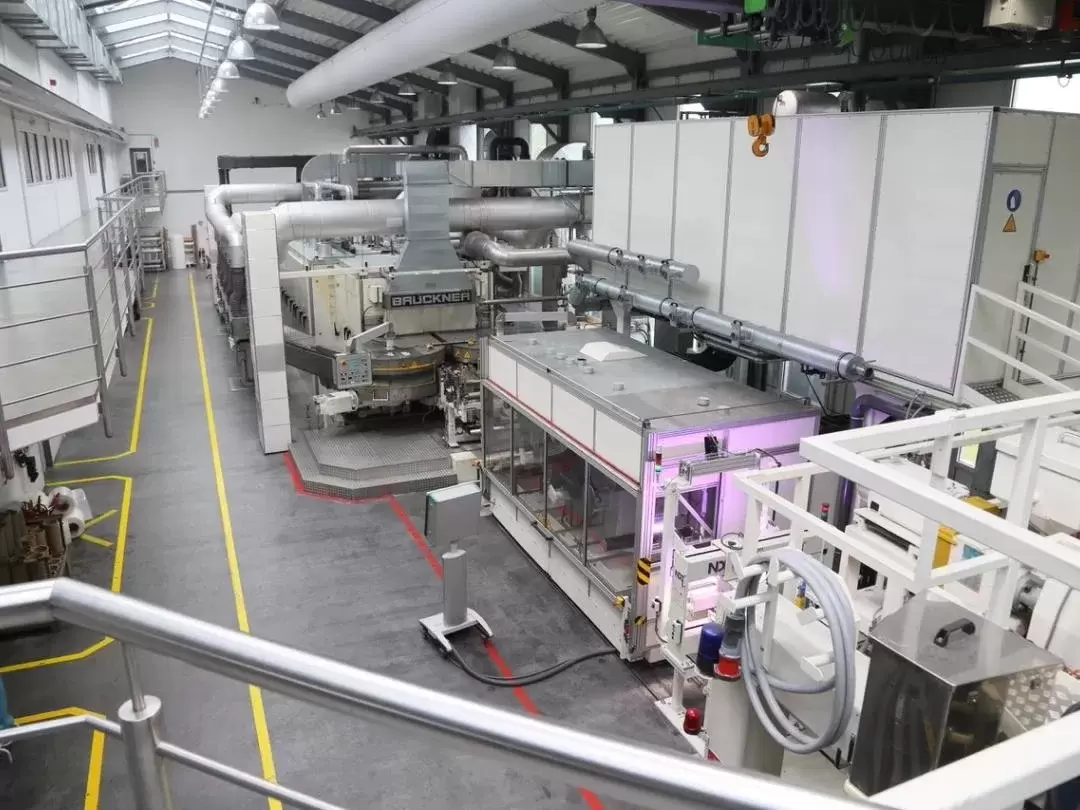
Süper Film and Brückner Maschinenbau brought the recycled material into film production and processing trials.
Producing film creates additional technical requirements because the polymer must provide stable processing behaviour, mechanical strength, optical properties and dimensional consistency across a continuous manufacturing process.
Successful conversion into film therefore provides an important indication that recycled PP can move beyond relatively simple applications towards more demanding flexible packaging structures.
Quality becomes central to recycled-content economics
The development reflects a broader change in the recycled plastics market.
As recycled-content requirements increase, the value of recycled material will increasingly depend on its quality and the applications it can serve.
Food-grade recycled polymers can access higher-value markets than lower-grade recyclates, creating stronger economic incentives for improved collection, sorting, purification and processing.
Flexible packaging needs high-performance recycled materials
Flexible packaging provides strong product protection while using relatively little material, but its structures can be technically demanding.
Films may require specific combinations of mechanical strength, sealability, barrier performance, printability and dimensional stability.
Recycled PP therefore needs to perform consistently across several parameters before it can replace virgin material in commercial food packaging.
Processing technology supports the transition
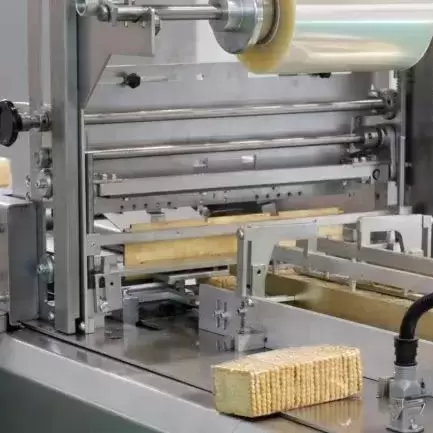
Advanced extrusion and film-processing equipment plays an important role in translating recycled feedstock into consistent packaging materials.
Process control can help manage variations in recycled polymer properties while maintaining stable film production.
The collaboration between recycler, film producer and machinery supplier illustrates the importance of the complete value chain in developing high-quality recycled packaging.
PPWR increases demand for food-grade recycled content
The European Packaging and Packaging Waste Regulation is expected to increase demand for recycled plastics and place greater emphasis on the quality and traceability of recycled material.
For packaging producers, this creates a growing need for reliable sources of recycled polymers that can be integrated into demanding applications.
Developments such as the NEXTLOOPP trials could help expand the range of applications in which recycled PP can replace virgin polymer.
From recycled plastic to circular packaging feedstock
The significance of the trials extends beyond a single film product.
If recycled PP can consistently meet the requirements of food-contact flexible packaging, it could help create a higher-value market for post-consumer polypropylene and strengthen the economic case for better collection and recycling systems.
The next challenge will be demonstrating long-term consistency, regulatory compliance and commercial economics at larger production volumes.
High-quality rPP could close another circularity gap
Polypropylene has historically lagged behind PET in the availability of high-quality recycled material for demanding packaging applications.
Advances in feedstock purification, recycling and film processing could begin to close that gap.
The development of food-grade recycled PP film would give packaging manufacturers another route to reduce virgin plastic while retaining the performance characteristics of polypropylene.


Comments (0)