
Choosing the right glass packaging involves more than selecting a jar or bottle. This article guides food brands on product consistency, usability, closure compatibility, shelf appeal, size, supply chain needs, and customer experience. It explains when a jar may suit better than a bottle and why involving an experienced glass packaging supplier early can prevent costly decisions. It positions Chaudhary Glasspack as a reliable packaging partner for food manufacturers.
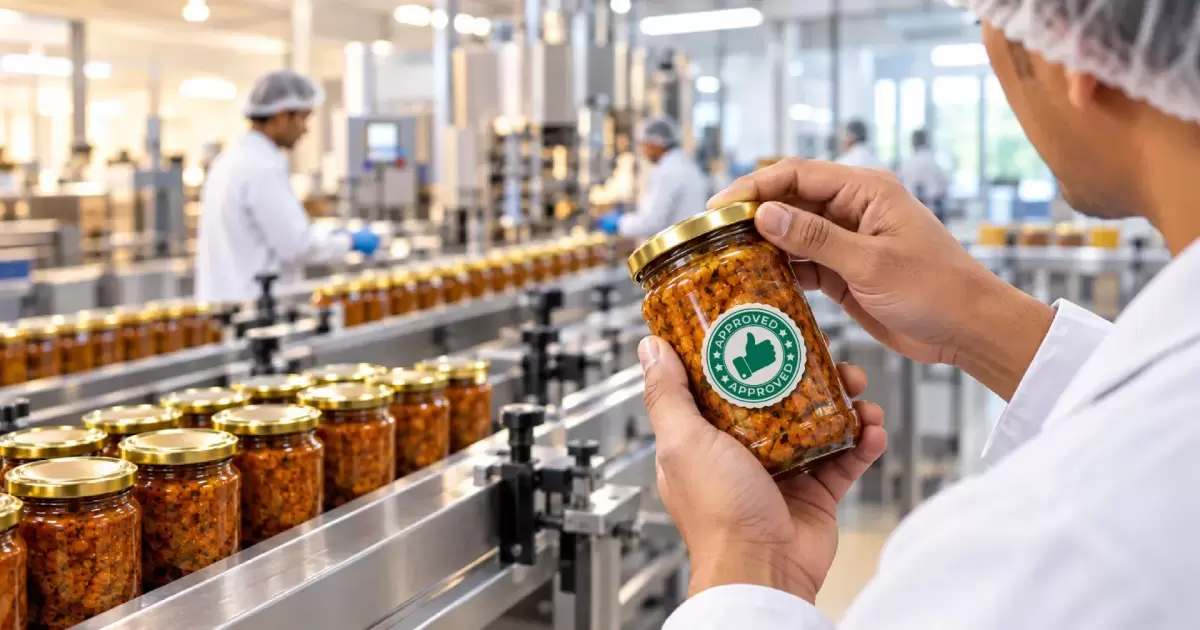
Go back to the last time you were launching a new food product. The recipe was perfected, tasting exactly the way you wanted. Once bottled, the label looked great, and the product sat on the shelf.
Then you notice something. The packaging doesn't quite feel right.
The bottle is difficult to pour from. The jar is too large for the serving size. The opening makes the product difficult to use. Or the packaging simply doesn't communicate the quality of the food inside.
For food brands, packaging is far more than a container that holds the product. It's their first introduction to their customer. The right jar or bottle needs to work across production, storage, transportation, retail display, and the customer's everyday experience.
That is why choosing the right glass packaging for food products deserves more thought than simply comparing sizes and prices.
Start With the Food Product, Not the Packaging
A common mistake is choosing a bottle or jar first and then trying to make the product fit.
The better approach is to start with the product.
Is it a thick sauce, a pourable dressing, an infused oil, a preserve, a dairy product, or a dry food? Does the customer need to scoop it out, pour it, shake it, or simply open and close the container?
These questions immediately narrow down your packaging options.
Jar or Bottle? Think About How the Customer Uses It
The difference between a jar and a bottle goes beyond appearance.
A glass jar is often practical for products that need a wider opening. Customers can easily see the product and access it with a spoon or other utensil. This makes jars popular for sauces, spreads, preserves, pickles, desserts, and many other food products.
A glass bottle, on the other hand, can be more suitable for liquids. Its shape can support controlled pouring while giving brands plenty of room to create a distinctive shelf presence.
Consider the Product's Viscosity
One of the most practical questions to ask when selecting food packaging is: How does the product move?
A thin liquid behaves very differently from a thick sauce or paste.
Products such as oils, dressings, syrups, and beverages may require bottle designs that support smooth pouring. Thicker products such as sauces, chutneys, spreads, and pastes may benefit from a wider opening.
This is where packaging selection becomes a product-design decision.
Don't Ignore the Closure
A glass container is only one part of the packaging system. The closure is just as important.
A food brand needs to consider how the container will be sealed, opened, closed, and stored after opening. Closure plays a crucial role in maintaining product quality and preventing leaks.
Think About Shelf Appeal
Walk down a supermarket aisle and look at how many products compete for attention.
Your product has only a few seconds to make an impression.
Glass packaging gives food brands an opportunity to use shape, proportions, transparency, color, labels, and closures to create a recognizable presentation.
A simple glass bottle can communicate a very different message from a wide, compact jar. A tall bottle may create a premium appearance, while a smaller jar may feel more approachable and practical.
But attractive packaging should still serve a purpose.
Consider Your Supply Chain
The packaging decision doesn’t end when the product leaves the filling line.
Your jars and bottles may travel through warehouses, distribution centers, trucks, retail stores, and finally into customers’ homes.
That journey needs to be factored in when choosing packaging.
Choose the Right Size for the Buying Occasion
More product isn’t always better.
A family-sized jar may make sense for a product intended for frequent household use. A smaller container may be more suitable for premium products, single-use applications, gift packs, trial packs, or specialty foods.
Consider how your target customer actually buys and consumes the product.
Work With a Glass Packaging Supplier Early
One of the easiest ways to make packaging decisions harder than they need to be is to involve the supplier too late.
A glass bottle supplier or glass jar supplier with experience under their belt can guide you to identify packaging formats based on the product, filling requirements, closure compatibility, order quantities, and intended application.







Comments (0)