
Kirin is exploring recycled and renewable-energy aluminium for beverage cans as it seeks to reduce packaging emissions and improve circularity.
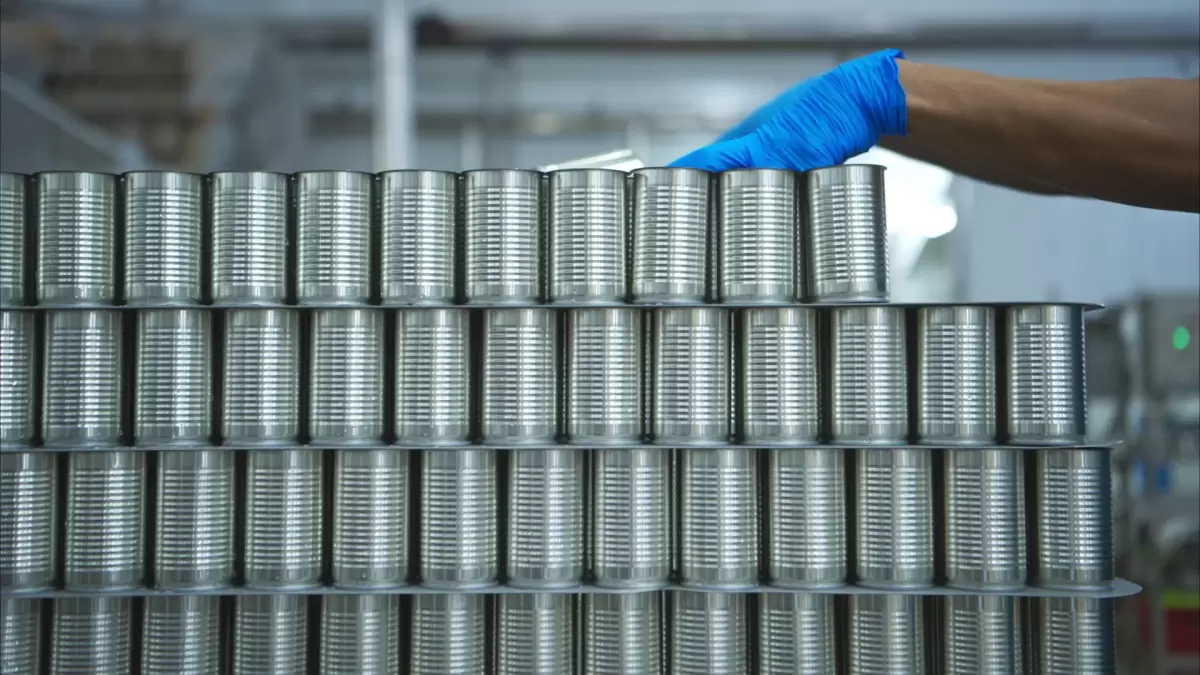
Kirin explores lower-carbon aluminium packaging
Japanese beverage company Kirin is exploring greater use of recycled and low-carbon aluminium as part of its efforts to reduce greenhouse gas emissions from packaging. The company is considering aluminium produced using renewable energy alongside materials with high recycled content, with the longer-term possibility of using carbon-free aluminium for beverage cans.
The initiative forms part of Kirin's broader strategy to make its packaging system more circular while reducing the climate impact associated with the materials used for its products. Aluminium, PET and paper are among the packaging materials included in the company's climate risk assessment.
Recycled aluminium can reduce packaging emissions
Producing primary aluminium requires significant amounts of electricity, making the material's carbon footprint strongly dependent on both production methods and energy sources. Increasing the proportion of recycled aluminium can reduce the need for energy-intensive primary metal production while keeping valuable material within the packaging cycle.
Kirin is therefore looking to increase the use of aluminium with a high proportion of recycled content. The company is also evaluating lower-carbon primary aluminium produced using renewable energy, providing another pathway to reduce emissions where recycled material alone cannot meet material requirements.
Renewable energy opens another pathway
Alongside recycled aluminium, Kirin is investigating greenhouse-gas-free aluminium produced using renewable energy. The approach could reduce emissions associated with aluminium production by replacing fossil-based electricity with lower-carbon energy sources.
The potential combination of recycled material and renewable-energy-powered production could give beverage packaging manufacturers additional options for reducing the carbon footprint of aluminium cans while maintaining the material's established advantages in product protection, durability and recyclability.
Carbon costs could reshape packaging decisions
Kirin's climate risk assessment also highlights the potential financial impact of carbon pricing. Under the company's sustainable scenario, which assumes a stronger global transition towards a low-carbon economy, carbon pricing could add approximately JPY 43.8 billion to packaging costs by 2050.
This potential exposure demonstrates why packaging materials are becoming increasingly important in corporate climate strategies. As carbon-related costs become more significant, companies have greater incentives to examine material sourcing, recycled content and production energy when selecting packaging formats.
Investment in Scope 3 reductions is increasing
Kirin expects to invest approximately JPY 200 million between 2025 and 2027 in measures including recycled aluminium, green aluminium and lower-carbon malt. The company expects this investment to increase substantially, reaching around JPY 4.7 billion by 2030.
The focus on packaging is particularly relevant because material production forms an important part of the company's value-chain emissions. Reducing the carbon intensity of packaging materials can therefore contribute to Scope 3 reductions beyond what can be achieved through improvements at Kirin's own production facilities.
Aluminium remains central to beverage packaging
Aluminium cans offer several characteristics that make them attractive for beverage packaging, including strength, lightweight potential and established recycling infrastructure. Kirin has already been working to increase the use of recycled aluminium and reduce the weight of its cans.
The company has also introduced lower-emission can components. Its EcoEnd beverage can end, developed with Toyo Seikan and UACJ, uses recycled material and is designed to reduce greenhouse gas emissions during production compared with conventional can ends.
Packaging strategy moves towards circularity
Kirin's approach combines several strategies rather than relying on a single material solution. Lightweighting can reduce material consumption, recycled aluminium can lower the need for virgin resources, while renewable energy can reduce emissions associated with primary aluminium production.
This combination reflects a broader shift in beverage packaging towards evaluating materials across their entire lifecycle. As companies face stronger climate targets and potential carbon costs, the choice of packaging material is increasingly connected to energy sourcing, recycling rates and the wider circular economy.
Lower-carbon cans could shape future packaging
Kirin's exploration of recycled and renewable-energy-based aluminium illustrates how beverage companies are seeking to reduce packaging emissions without abandoning established packaging formats. If supplies of lower-carbon aluminium continue to expand, beverage manufacturers could increasingly combine recycled content with renewable-energy-powered production to reduce the footprint of cans.
The development also highlights the growing importance of collaboration between beverage companies, aluminium producers and packaging manufacturers. Reducing packaging emissions requires changes across the entire supply chain, from material production and recycling to can manufacturing and product distribution.








Comments (0)