
McDonald’s Netherlands must stop serving single-use cups for dine-in customers or face weekly fines of €625,000 from January 2027.
McDonald’s receives enforcement notice over disposable cups
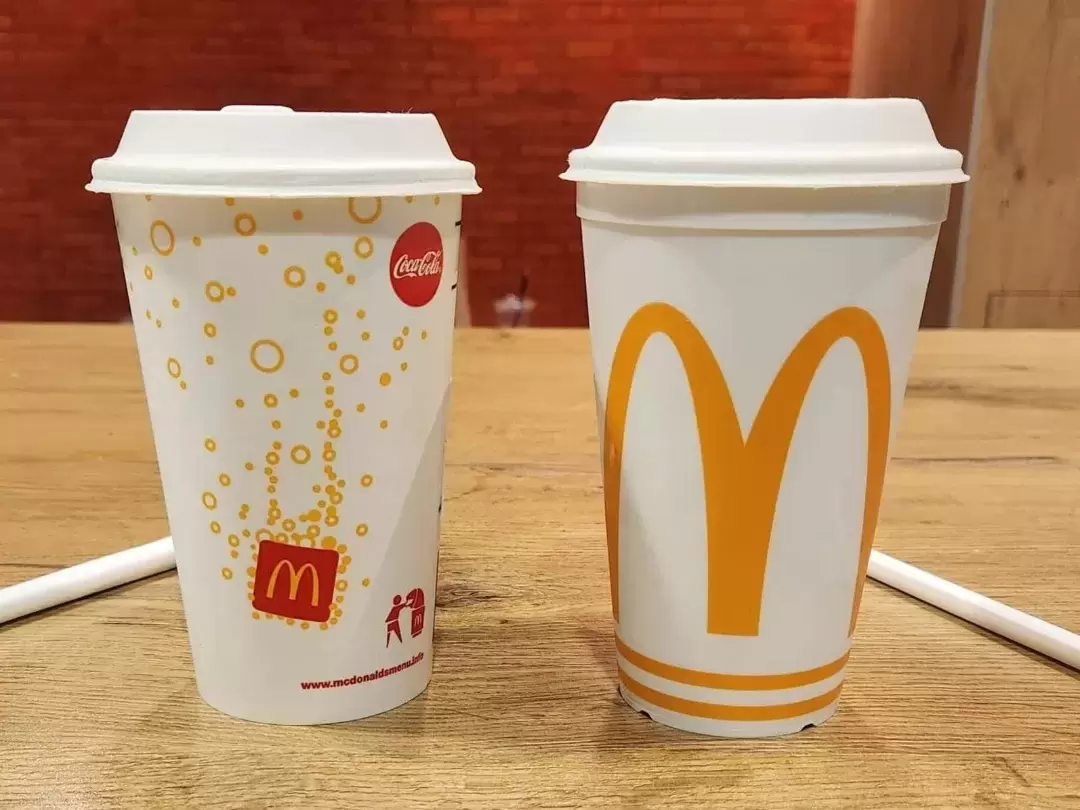
McDonald’s Netherlands has received a penalty notice requiring the fast-food chain to stop serving drinks and McFlurry products in disposable cups to customers consuming them inside its restaurants.
The decision follows an enforcement request submitted by the Fair Resource Foundation to the Dutch Human Environment and Transport Inspectorate, which subsequently investigated practices across multiple McDonald’s locations.
Dutch rules require reusable packaging for dine-in
Since January 2024, hospitality businesses in the Netherlands have generally been required to use reusable packaging for food and beverages consumed on site.
The rules are intended to reduce single-use plastic waste and accelerate the transition towards reuse systems. Certain high-quality recyclable PET formats can qualify for exemptions, but disposable paper cups containing plastic coatings do not meet the relevant conditions.
Inspectorate identifies multiple violations
The Dutch inspectorate carried out dozens of visits to McDonald’s restaurants and reported multiple violations of the single-use plastics requirements.
The investigation followed allegations that the company continued serving products in disposable coated-paper cups while charging customers an additional €0.15 per cup.
Reusable packaging required from January 2027
McDonald’s Netherlands has been ordered to comply with the reusable packaging requirement from 5 January 2027.
If the company fails to meet the requirement, it could face a fine of €625,000 per week, with a maximum cumulative penalty of €3.75 million.
Penalty linked to disposable cup surcharge revenue
The inspectorate calculated the potential penalty based partly on the revenue generated through the surcharge applied to disposable cups.
The Fair Resource Foundation argued that the surcharge effectively created a commercial model around packaging that should no longer have been used for on-site consumption.
McDonald’s questions environmental benefit of current rules
McDonald’s says it supports the objective of reducing plastic use but argues that current reusable packaging requirements do not always deliver lower environmental impacts in fast-service restaurants.
The company points to consumer behaviour where customers may initially dine inside a restaurant but later leave with their drink, creating difficulties for recovering reusable cups and maintaining high reuse rates.
Return rates remain central to reuse performance
A previous impact assessment cited by campaigners suggested that reusable cups within the McDonald’s Netherlands system were being reused only around 3.3 times on average.
Reuse systems generally depend on high return rates and repeated circulation to offset the additional material, washing and logistics requirements associated with more durable packaging.
Fast-food packaging faces broader European transition
The Dutch enforcement action comes as European foodservice operators prepare for additional reuse requirements under the Packaging and Packaging Waste Regulation.
From February 2027, businesses will need to allow consumers to bring their own containers for takeaway beverages, while further requirements will introduce reusable takeaway options and reuse targets over the following years.
Enforcement moves reuse from policy to operational reality
The McDonald’s case illustrates how reuse requirements are moving beyond voluntary sustainability commitments and into direct regulatory enforcement.
For foodservice operators, compliance will increasingly require not only sourcing reusable cups and containers but also developing collection, washing, storage and return systems capable of functioning reliably at commercial scale.
Dutch decision could influence wider foodservice market
As one of the largest fast-food operators in the Netherlands, McDonald’s could have a wider influence on how reusable packaging systems develop across the country.
If the required transition is implemented at scale, it may provide additional demand for reusable foodservice packaging, washing infrastructure and return technologies while offering regulators further evidence on how reuse rules perform in real operating environments.








Comments (0)