
MM Packaging upgrades its GreenPeel fibre food tray with a double-rim structure designed for stronger sealing and fresh protein packaging.
MM Packaging upgrades fibre trays for demanding fresh food applications
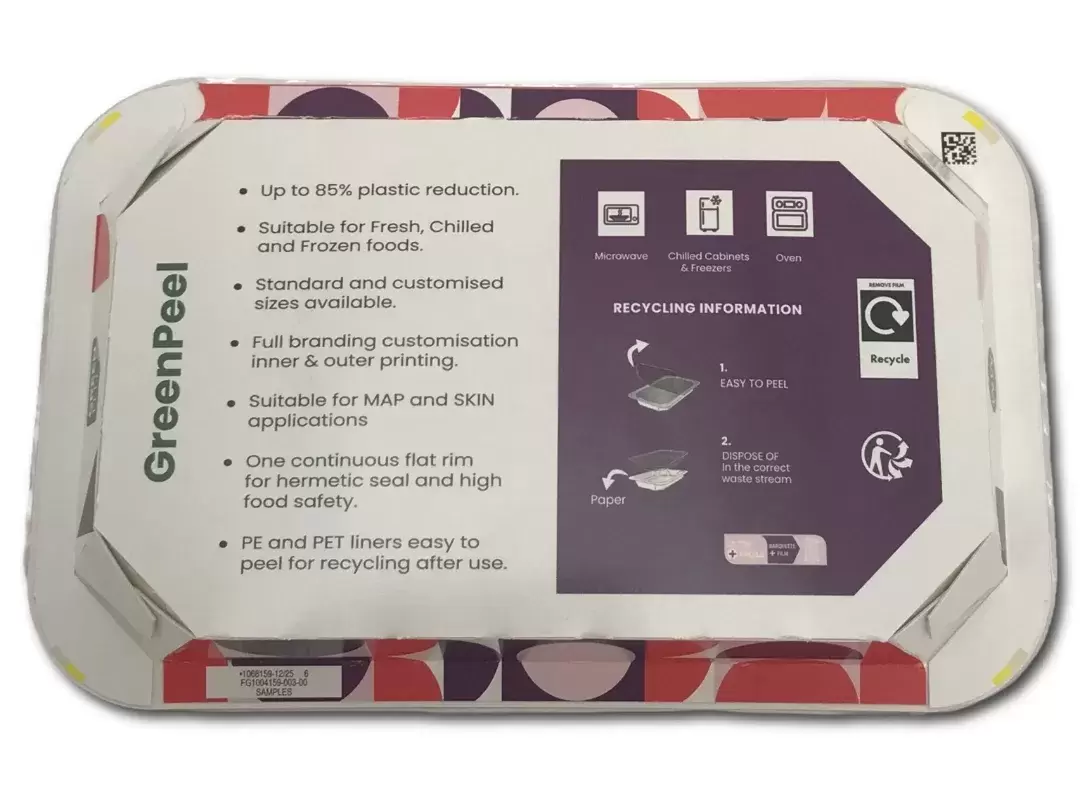
MM Packaging Deeside has enhanced its GreenPeel fibre-based food tray with a new double-rim structure designed to improve strength, sealing performance and reliability in fresh protein packaging applications.
The development targets one of the most challenging areas of sustainable food packaging: replacing conventional plastic trays while maintaining the mechanical and functional performance required for meat, fish and chilled food products.
The upgraded structure has been developed to support stronger sealing integrity and improved durability throughout storage, transport and retail display.
Double rim improves tray performance
The new design replaces the previous single-rim construction with a continuous double-rim structure around the tray.
This structural change increases rigidity and provides additional support around the sealing area, helping maintain package integrity during distribution and handling.
For fresh protein applications, reliable sealing is particularly important because packaging must protect the product while supporting extended refrigerated storage and retail presentation.
Fibre packaging targets plastic tray replacement
GreenPeel was developed as a fibre-based alternative to conventional plastic food trays.
The solution uses cartonboard construction combined with a removable liner, allowing brands to reduce plastic use while maintaining the functionality required for chilled food packaging.
MM Packaging says the format can reduce plastic consumption by up to 90% compared with traditional plastic trays.
Fresh protein presents demanding packaging requirements
Replacing plastic trays in fresh protein categories is particularly challenging because packaging must withstand moisture, pressure from stacking and demanding sealing processes.
Products such as meat and fish often require modified atmosphere or skin sealing systems, meaning the tray structure must provide consistent performance throughout the supply chain.
The double-rim design was developed specifically to address these operational requirements.
First application developed with poultry producer
The first implementation of the upgraded GreenPeel structure is a 20 mm tray developed in collaboration with a major poultry producer in France.
The format is currently available for protein applications, with wider adoption across the GreenPeel portfolio planned.
This approach demonstrates how fibre-based packaging solutions are increasingly being adapted for specific food categories rather than relying on one universal tray design.
Design optimisation supports fibre packaging adoption
The development reflects a broader trend in sustainable packaging: improving alternative materials through engineering rather than simply changing the substrate.
For fibre packaging to replace established plastic formats, it must deliver comparable performance in areas such as sealing, handling, automation and shelf-life protection.
Structural innovations such as reinforced edges, improved barriers and better forming techniques are becoming essential to closing this performance gap.
Application-specific fibre packaging continues to expand
The GreenPeel upgrade highlights how fibre-based packaging is moving into more technically demanding food applications.
While early fibre packaging solutions often focused on less demanding categories, manufacturers are now targeting fresh proteins, chilled foods and other products where performance requirements are significantly higher.
The success of these solutions will depend on maintaining a balance between plastic reduction, recycling compatibility and the practical requirements of modern food supply chains.
Sustainable trays evolve through structural innovation
The MM Packaging development shows that the future of sustainable food trays will likely depend not only on selecting renewable materials, but also on engineering those materials to perform under real industrial conditions.
As retailers and food producers seek alternatives to plastic trays, improvements in strength, sealing reliability and production compatibility will be critical for wider adoption.








Comments (0)