
Nestlé targets a 12–17% cut in virgin plastic by 2030, relying mainly on recycled content, material reduction and new packaging models.
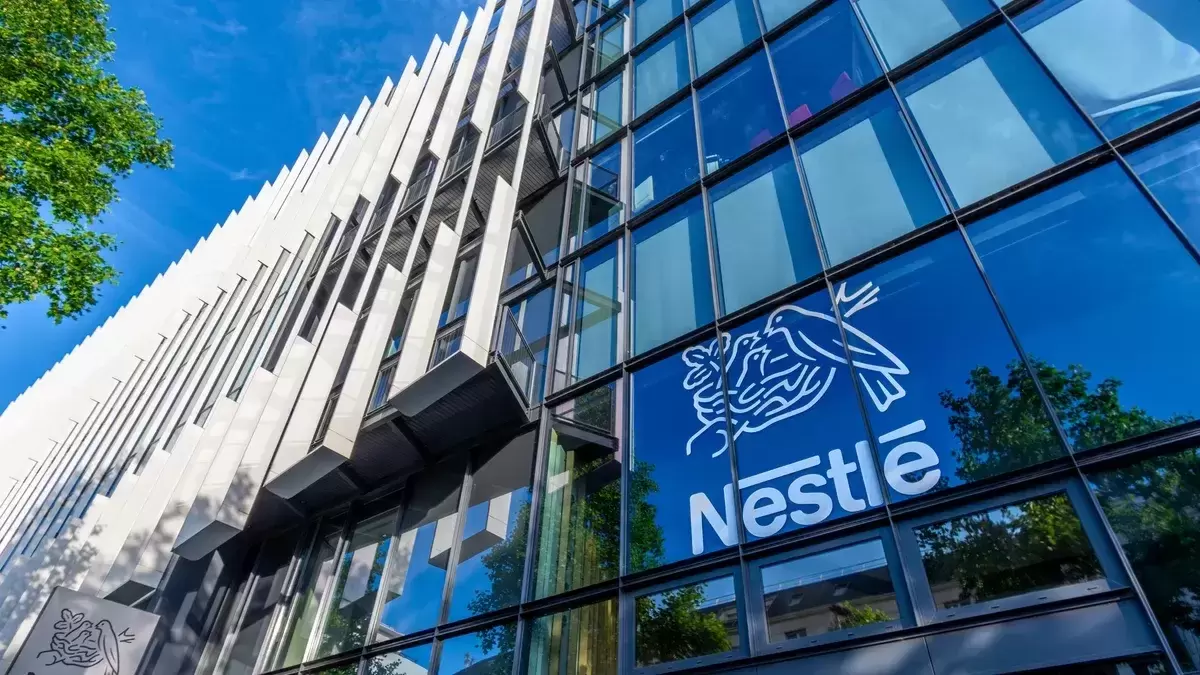
Nestlé shifts its packaging strategy towards recycled content and material reduction
Nestlé has outlined how it plans to reduce virgin plastic use in its packaging by 2030, placing recycled content and material reduction ahead of reuse and refill as the main drivers of future progress.
The company is targeting a 12% to 17% reduction in virgin plastic use compared with its 2018 baseline, with the range reflecting changes expected from the planned divestment of part of its water business.
The strategy provides a more detailed view of how one of the world's largest food and beverage companies expects to reduce its dependence on virgin plastic over the remainder of the decade.
Recycled content expected to deliver most of the reduction
Nestlé expects between 50% and 60% of its planned reduction in virgin plastic to come from increasing the proportion of recycled material used in packaging.
In 2025, approximately 21% of the plastic used in Nestlé's packaging already came from recycled sources.
The company is continuing to investigate food-contact applications for recycled plastics, including recycled PET, where regulatory and technical requirements can make higher recycled content more difficult to achieve.
Total plastic use has already fallen significantly
Nestlé's total plastic packaging consumption has declined substantially since 2018.
The company used approximately 0.86 million metric tons of plastic packaging in 2025, compared with around 1.7 million metric tons in 2018.
The reduction reflects a combination of lightweighting, packaging redesign, material substitution and the removal of unnecessary plastic components across its portfolio.
Paper substitution becomes an important reduction route
Nestlé expects 30% to 40% of the improvement towards its 2030 virgin plastic target to come from reducing or eliminating plastic packaging.
Paper-based alternatives are an important part of this strategy.
The company recently joined the PaperFlex Consortium alongside Unilever, PepsiCo, Procter & Gamble, Colgate-Palmolive and Mars to accelerate the development of recyclable paper-based flexible packaging.
Nestlé is also already commercialising paper alternatives, including paper soft packs for Nescafé in Europe that replace plastic laminate structures.
Reuse and refill remain at an early stage
Alternative delivery models, including reusable packaging and refill systems, are expected to contribute between 10% and 15% of the targeted improvement.
However, reuse represented only around 0.51% of Nestlé's packaging portfolio in 2025.
The company identifies at-home refill products as an area with significant future potential but acknowledges that many reuse and refill concepts remain at pilot stage.
Food safety remains a barrier to recycled plastics
Increasing recycled content in food packaging presents specific technical and regulatory challenges.
Materials recovered from post-consumer waste must meet strict requirements for purity, migration and food-contact safety before they can replace virgin polymers in sensitive applications.
Nestlé is therefore investing in research into the safety and performance of recycled plastics, particularly in applications where recycled material currently has limited availability.
Packaging strategy moves beyond a single material solution
The company's updated strategy demonstrates that reducing virgin plastic will require several approaches operating simultaneously.
Recycled content addresses the origin of the polymer, material reduction lowers the quantity required, while paper-based alternatives and reuse models can remove plastic from selected applications altogether.
This diversified approach reflects the reality that no single packaging technology can replace every plastic format across a global food portfolio.
Flexible packaging remains one of the biggest challenges
Flexible packaging is likely to remain one of the most difficult categories to transform because it combines low material use with demanding requirements for barrier performance, shelf life and high-speed production.
Nestlé's participation in the PaperFlex Consortium indicates that the company sees paper-based flexible structures as one potential route, but the technology still needs to reach the required combination of performance, cost and scale.
2030 strategy puts more emphasis on measurable material change
Nestlé's revised approach reflects a broader shift in packaging sustainability strategies.
Rather than relying primarily on broad commitments to make packaging recyclable or reusable, companies are increasingly defining how much virgin material they intend to remove and which technical pathways will deliver the reduction.
For Nestlé, recycled content is expected to provide the largest contribution, followed by material reduction and substitution, while reuse and refill remain a longer-term opportunity.
Large-scale packaging change will require multiple solutions
Nestlé's strategy demonstrates the complexity of changing packaging across a global food and beverage portfolio.
Different products require different combinations of barrier performance, food safety, manufacturing compatibility and end-of-life solutions.
The company's 2030 roadmap therefore points towards a packaging transition based on multiple technologies rather than a single replacement for conventional plastic.



Comments (0)