
North Korea seeks Chinese printing, finishing and packaging equipment to shift from imported materials toward domestic production capacity.
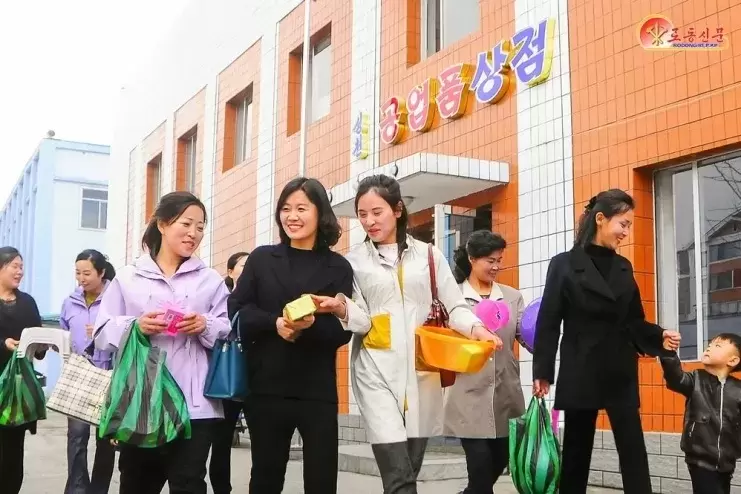
North Korea looks to build domestic packaging production
North Korea is seeking printing and packaging equipment from China as part of a wider effort to improve the quality of product packaging, labels and promotional materials while reducing reliance on imported finished packaging.
According to Daily NK, North Korean trading companies and representatives of production facilities have recently approached Chinese suppliers about equipment and technical support that would allow more packaging materials and printed products to be manufactured domestically.
The initiative marks a shift from the previous model in which packaging paper, labels and trademarks for higher-value products were often produced by Chinese companies before being imported into North Korea.
Demand extends beyond basic printing equipment
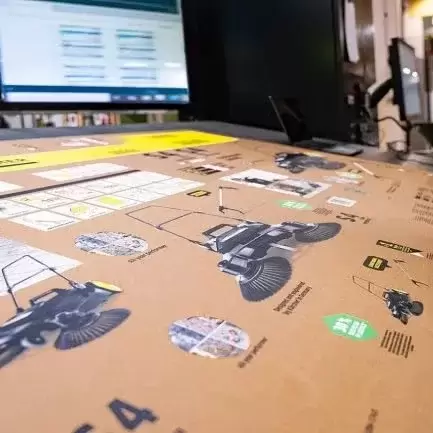
The equipment being considered includes offset and digital printers, as well as folding, binding and finishing machinery for the production of boxes, stickers, labels and other commercial printed materials.
Rather than prioritising large-scale industrial machinery, North Korean buyers are reportedly showing greater interest in small and medium-sized equipment that can be integrated into local production facilities.
This suggests that the objective is not simply to expand printing capacity at a small number of centralised plants, but to improve packaging and promotional material production across a wider network of domestic manufacturers.
Technical know-how is becoming as important as machinery
North Korean representatives are also requesting installation support, test operation, worker training and guidance on maintenance and spare parts.
The emphasis on technical expertise indicates that equipment acquisition alone is not considered sufficient. Authorities appear to be focusing on the complete production process, including how machines are operated, maintained and repaired over time.
Joint venture opportunities with Chinese companies are also reportedly being explored, particularly where partners can provide hands-on training and support during the early stages of domestic production.
Packaging quality becomes part of product competitiveness
The initiative is closely linked to North Korea’s regional development policy, which is increasing the number of local industrial factories and the range of consumer products manufactured inside the country.
As production expands, greater attention is being given to the appearance of products, including packaging, labels, instructions and promotional materials.
Chinese traders involved in importing North Korean goods have reportedly observed a visible improvement in packaging presentation, even where the products themselves remain largely unchanged.
Export products have traditionally relied on Chinese packaging
Higher-value North Korean products such as Kaesong Koryo ginseng, traditional medicines, alcoholic beverages and tobacco have historically relied on packaging and printed materials produced in China.
By bringing more of these activities inside the country, manufacturers could gain greater control over design changes, production schedules and supply availability while reducing dependence on external packaging suppliers.
The move may also support greater flexibility for smaller production runs and domestic consumer products that require customised labels and printed materials.
Packaging investment reflects broader industrial modernisation
The development shows how packaging is becoming part of a wider industrial modernisation effort rather than being treated solely as a final production step.
Improved printing and finishing capacity can influence product presentation, traceability, communication and shelf appeal, particularly as local factories expand their product portfolios.
If equipment imports and technical cooperation with Chinese suppliers continue, North Korea could gradually develop a more self-sufficient packaging and commercial printing sector, supporting both domestic consumer goods and selected export products.








Comments (0)