
Fresh produce packaging is shifting from material replacement to application-specific solutions balancing sustainability, performance and recyclability.
Sustainable packaging moves beyond simple material replacement
Packaging development is increasingly moving away from the idea that one material can solve every sustainability challenge. Instead, suppliers and brands are focusing on application-specific solutions that balance environmental performance with product protection, automation requirements and end-of-life considerations.
For fresh produce packaging manufacturer Silbo, sustainability is no longer viewed as an additional benefit but as a fundamental requirement alongside functionality, recyclability and production efficiency.
The company says customers are increasingly asking how packaging performs throughout its complete lifecycle rather than simply which material it contains.
Functionality remains central to sustainable design
Replacing one material with another does not automatically create a more sustainable package.
For fresh produce, packaging must still provide essential functions including ventilation, protection against damage, compatibility with packing equipment and sufficient shelf-life performance.
Silbo argues that paper-based packaging can offer advantages in many applications, but the material choice must be based on the product requirements and the available recycling or recovery infrastructure.
Paper solutions expand across fresh produce applications
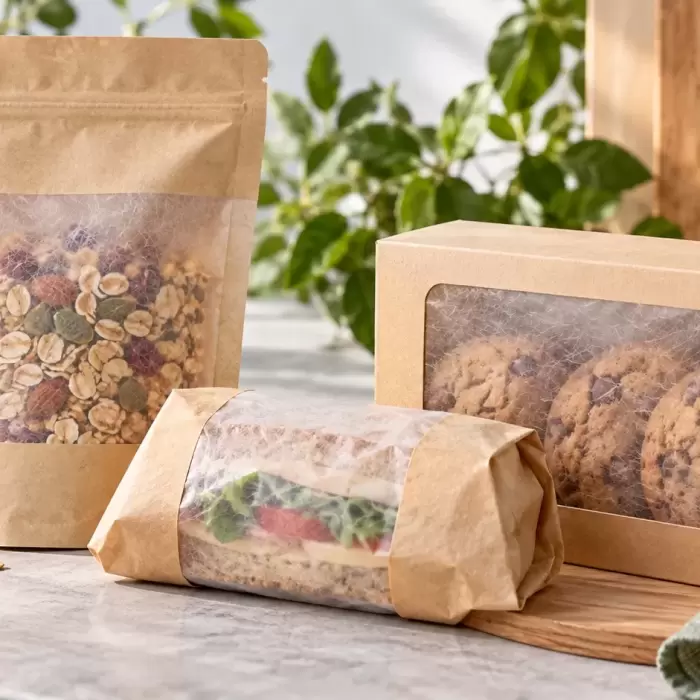
Paper-based packaging continues to attract interest in the fruit and vegetable sector, particularly as retailers and brands seek alternatives to conventional plastic bags.
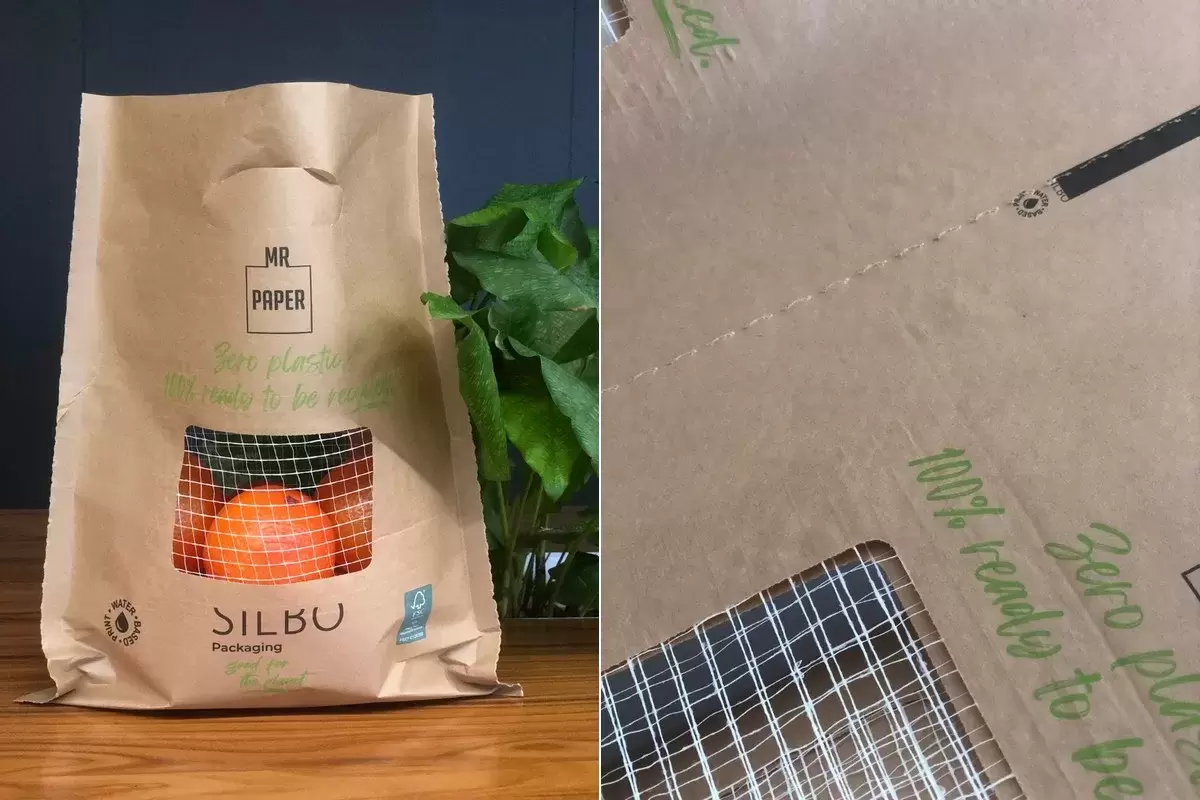
Silbo’s Mr Paper portfolio includes flexible paper solutions designed for automated packing systems, including applications where plastic-free structures are required.
The company’s Reelbag solution, for example, combines FSC-certified paper with organic linen mesh to create ventilated packaging that allows consumers to see the product while maintaining airflow.
Automation influences packaging choices
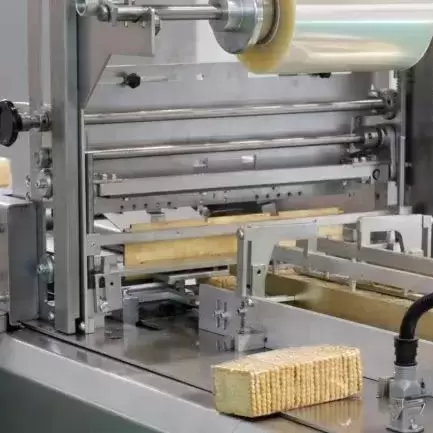
One of the main challenges in sustainable packaging development is ensuring that new materials work reliably on existing industrial equipment.
Fresh produce companies cannot simply replace a plastic film with another material if the new structure cannot run efficiently through automated packing lines.
This is why suppliers are increasingly developing sustainable formats around specific machines, processes and product categories rather than creating generic alternatives.
Mono-material structures and material reduction gain importance
Alongside paper-based packaging, recyclable mono-material structures remain an important development area.
Silbo identifies material reduction as another major trend, including thinner structures, fewer unnecessary layers and functional coatings applied only where required.
The objective is not simply to use a different material, but to achieve the lowest material intensity while maintaining the required performance.
Digital printing enables more flexible packaging production
Shorter production runs and greater packaging variety are also influencing packaging development.
Silbo has invested in digital printing technology with the installation of an HP Indigo 200K, allowing shorter runs, faster sampling and multiple packaging versions within the same production environment.
This flexibility can reduce obsolete packaging stock by allowing companies to produce quantities closer to actual demand.
No single material will define sustainable packaging
The company expects future sustainable packaging to rely on a combination of materials and technologies rather than one universal solution.
For some applications, plastic-free paper structures may provide the best environmental balance. For others, recyclable mono-material plastics may offer better overall performance.
The key factor will be designing packaging from the beginning with the complete system in mind: product requirements, packing processes, logistics, material consumption and end-of-life management.
Eco-design becomes the foundation of future packaging
The shift towards application-specific solutions reflects a broader change in the packaging industry.
Sustainability is increasingly moving from a question of choosing a “better” material towards designing the right packaging system for each product.
As regulation, automation and circular economy requirements continue to influence packaging decisions, the most successful solutions will likely be those that combine environmental objectives with practical industrial performance.






Comments (0)