
Pact Group develops linerless lid packaging for avocados, replacing flow wrap plastic with a lower-material fresh produce solution.
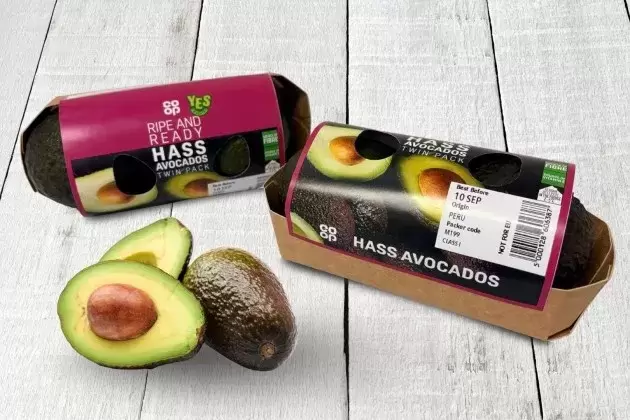
Linerless lid replaces plastic flow wrap for fresh avocado packaging
Pact Group has developed a new packaging solution for avocados that replaces traditional plastic flow wrap with a linerless lid format designed to reduce material use while maintaining product protection.
The development targets fresh produce packaging, where companies are looking for alternatives that reduce unnecessary plastic components without compromising shelf presentation, handling and product quality.
Rather than replacing the entire packaging format with a different material, the solution focuses on removing an additional plastic layer that is not essential to the core function of the pack.
Flow wrap creates unnecessary packaging complexity
Fresh produce such as avocados is often packaged using plastic films that provide protection, branding space and containment during transport and retail display.
However, these films can introduce additional material into the packaging system, particularly when the product already uses a rigid tray or container as its primary support.
Removing unnecessary secondary components can improve material efficiency and simplify the overall package structure.
Linerless technology reduces material waste
The new solution uses a linerless lid, meaning the label and adhesive backing structure normally associated with conventional labels are reduced or eliminated.
This approach can reduce waste during label production while also simplifying the packaging component itself.
Linerless systems have previously been used in logistics and retail labelling applications, but their use in fresh produce packaging demonstrates their expanding role in reducing material consumption.
Packaging redesign focuses on the complete system
The development reflects a wider shift in sustainable packaging design: improving environmental performance does not always require a completely new material.
In many cases, significant reductions can come from removing unnecessary components, optimising structures and ensuring that each packaging element performs a clear function.
This approach can deliver improvements while maintaining compatibility with existing supply chains.
Fresh produce requires protection and visibility
Avocado packaging must balance several requirements, including product protection, visibility, ventilation and retail presentation.
A successful alternative to flow wrap therefore needs to maintain the practical benefits that retailers and consumers expect while reducing material intensity.
The linerless lid approach demonstrates how packaging components can be redesigned around the specific needs of individual products.
Material reduction supports packaging efficiency
Reducing packaging weight and eliminating unnecessary layers can contribute to lower resource consumption throughout the supply chain.
For high-volume fresh produce categories, small reductions per pack can generate significant savings when applied across large production volumes.
This makes lightweighting and component elimination important strategies alongside material substitution.
Application-specific innovation grows in fresh produce
The avocado packaging development reflects a broader trend towards more targeted solutions in fresh food packaging.
Different fruits and vegetables have different protection, ventilation and shelf-life requirements, meaning that packaging systems increasingly need to be designed around the specific product rather than using universal formats.
This application-focused approach can help brands reduce material use while maintaining the functionality required by the supply chain.
Removing unnecessary plastic becomes a key packaging strategy
The Pact Group solution illustrates how packaging innovation can come from simplification.
Instead of adding new materials or complex technologies, the design removes a layer that previously served a limited function and replaces it with a more efficient closure approach.
As companies continue searching for ways to reduce plastic consumption, redesigning existing packaging systems may provide some of the fastest opportunities for measurable improvement.








Comments (0)