
SÜDPACK reports a 73% reduction in Scope 1 and 2 emissions since 2021 while advancing renewable energy and recyclable packaging targets.
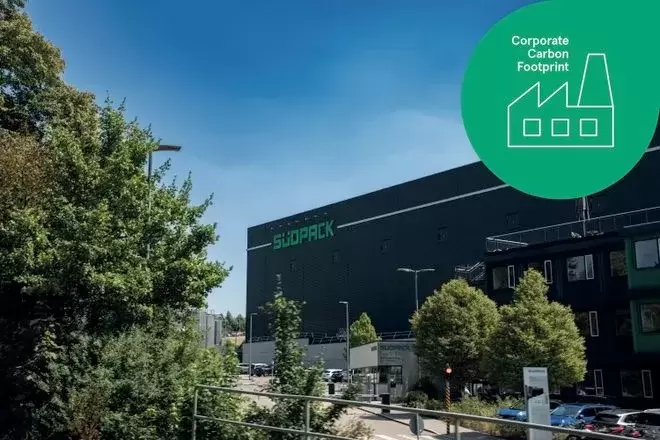
SÜDPACK reports major progress on operational emissions
SÜDPACK has reported significant progress in reducing its carbon footprint, with Scope 1 and Scope 2 emissions falling by 73% in 2025 compared with the company’s 2021 baseline.
The flexible packaging manufacturer is working towards validated Science Based Targets aligned with the Paris Agreement’s 1.5°C pathway, covering direct emissions, purchased energy and selected Scope 3 categories.
Across its complete corporate carbon footprint, total CO2e emissions were 21% lower than in 2021.
Scope 3 remains the largest decarbonization challenge
While operational emissions have declined substantially, emissions associated with purchased goods and services remain the largest component of SÜDPACK’s climate footprint.
Scope 3.1 emissions have fallen by 16% since the 2021 baseline, with a 25% reduction targeted by 2030.
This category represents approximately two-thirds of the company’s overall emissions, meaning material choices and supplier collaboration will play a major role in future reductions.
Sales growth temporarily increases total carbon footprint
Compared with 2024, SÜDPACK’s total corporate carbon footprint increased by 3.91% in 2025, although the company says it still achieved its annual trajectory under the Science Based Targets initiative.
The increase was partly linked to higher sales volumes, which raise product-related Scope 3 emissions associated with purchased materials and end-of-life treatment.
Expansion of production facilities in Erolzheim and Coulmer, France, also contributed to the short-term increase.
Mono-material packaging supports future reductions
SÜDPACK is focusing heavily on polypropylene- and polyethylene-based packaging structures that are compatible with existing recycling systems.
The company is also reducing film thickness wherever possible, lowering the amount of material required per square metre while reducing emissions associated with transport and end-of-life treatment.
Recent investments in manufacturing capacity are intended to expand production of lightweight, Design for Recycling-compliant packaging concepts.
Printing technology cuts solvent-related emissions
Decarbonization efforts also extend to package printing. SÜDPACK reports growing customer adoption of its SPQ printing technology, which is designed to use inks and solvents more efficiently.
The technology helped reduce emissions linked to solvent consumption by around 9.5% compared with 2024.
The company notes, however, that the overall climate benefit of new packaging technologies depends heavily on how quickly customers are prepared to move away from established structures.
EU production sites now run on green electricity
Since the beginning of 2025, SÜDPACK’s Coulmer facility has been supplied with certified green electricity, meaning all of the company’s EU production sites are now powered entirely by renewable electricity.
Across the group’s wider energy mix, including electricity and other energy sources, renewables currently represent 57%.
SÜDPACK plans to increase this share to 88% by 2030 through further electrification and the replacement of fossil-based energy sources.
Energy consumption falls 19% since 2021
Energy-efficiency measures implemented across the group have reduced total energy consumption by 19% compared with 2021.
Transport-related emissions have also declined despite higher purchasing and sales volumes, supported by ongoing optimisation of logistics operations.
To improve oversight, SÜDPACK has introduced a digital sustainability platform that consolidates emissions data, targets and performance indicators across its international operations.
The results show how packaging manufacturers are increasingly combining product redesign, renewable energy, digital monitoring and supply-chain engagement to address emissions across both operations and material sourcing.







Comments (0)