
US paper recycling rates remained stable in 2025, with cardboard at 70–75% despite lower recovered fibre consumption and production declines.
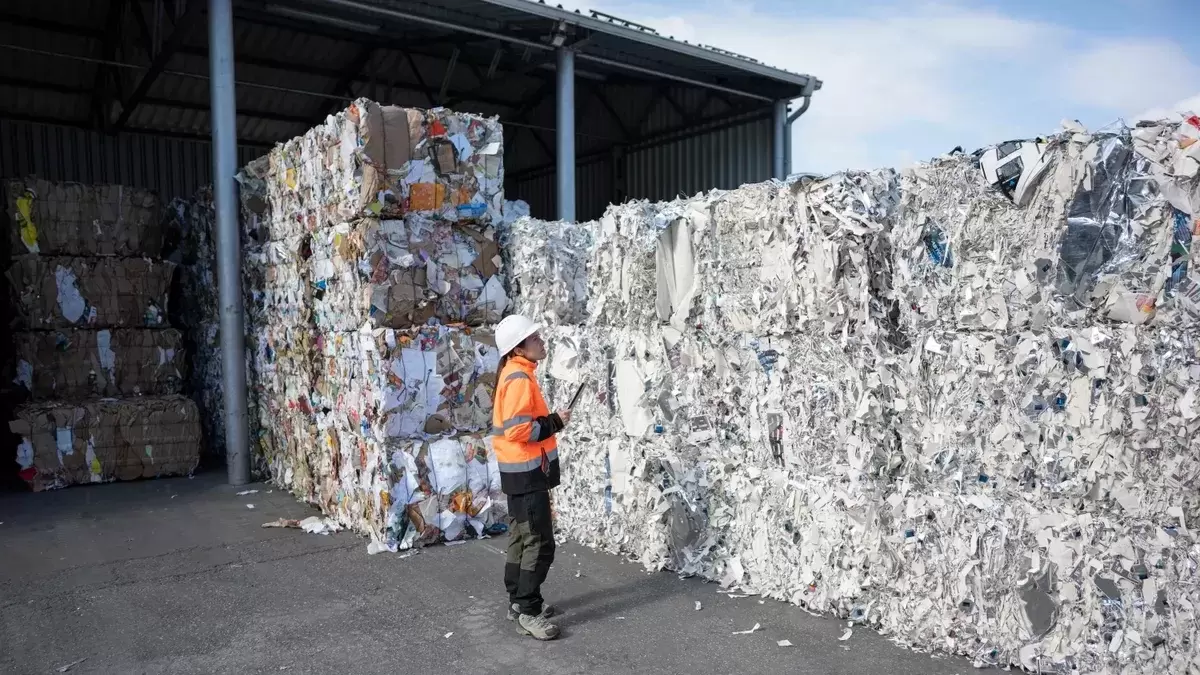
US paper recycling rates remain broadly stable
Paper and cardboard recycling rates in the United States remained broadly stable during 2025 despite lower paper and paperboard production and changing market conditions, according to the latest annual analysis from the American Forest & Paper Association.
The organisation estimates that between 61% and 65% of paper available for recovery was recycled during the year. The corresponding rate for cardboard was higher, at between 70% and 75%, maintaining fibre-based packaging among the strongest-performing material streams in the US recycling system.
Cardboard continues to achieve higher recovery rates
The 2025 figures represent a slight improvement compared with the previous year, when paper recycling was estimated at 60% to 64% and cardboard at 69% to 74%.
Corrugated packaging remains particularly important within recovered fibre markets because of the large quantities generated through retail, industrial distribution and e-commerce. Its relatively established collection and recycling infrastructure continues to support high recovery levels compared with many other packaging materials.
Recovered paper consumption declines
Despite steady recycling rates, US mills consumed approximately 31.4 million tonnes of recycled paper in 2025, representing a year-on-year decline of around 1.3 million tonnes.
The reduction follows an increase of roughly the same size in the previous year and reflects broader changes in domestic paper and paperboard production. Lower manufacturing output can reduce demand for recovered fibre even when collection systems continue to perform consistently.
Production adjustments reshape fibre markets
AF&PA linked the lower recovered fibre consumption partly to declines in US paper and paperboard production. Containerboard manufacturers announced significant capacity reductions during 2025 as producers adjusted operations to weaker demand and changing market conditions.
At the same time, total paper and paperboard mill operating rates increased to 89.4% in 2025, compared with 88.1% the year before, suggesting that remaining capacity was being used more intensively.
Exports regain a larger share
Exports represented 29% of recovered paper in the United States during 2025, up from 27% in 2024. International trade therefore continues to play an important role in balancing domestic recovered fibre supply and demand.
AF&PA has highlighted trade flows as an important variable when calculating national recycling rates. Tariffs and cross-border trade with Canada are among the factors now being monitored because they could influence future availability and movement of fibre-based raw materials.
Recycling methodology continues to evolve
The association now reports recycling rates as percentage ranges rather than single figures. This methodology was introduced after industry debate over how fibre collection, imports, exports and available supply should be reflected in recycling calculations.
AF&PA also introduced an effective recycling rate metric in 2023 before moving fully to the range-based approach in 2024. The organisation says the methodology is intended to provide a more realistic picture of material recovery across a complex fibre supply chain.
Fibre recycling remains resilient
The latest figures suggest that the US paper recycling system has remained resilient despite production cuts and changes in recovered fibre demand. Stable recovery rates indicate that collection infrastructure continues to function even when downstream market conditions fluctuate.
For packaging producers, maintaining strong end markets for recovered paper will remain critical. Corrugated and paper-based packaging increasingly depend on consistent recycled fibre supply, making mill demand, export markets and recycling infrastructure closely connected to future circularity performance.











Comments (0)