
Yangi brings its Cellera dry-forming technology to the US, offering faster, lower-water fibre packaging production for foodservice applications.
Yangi takes dry-forming technology to the US
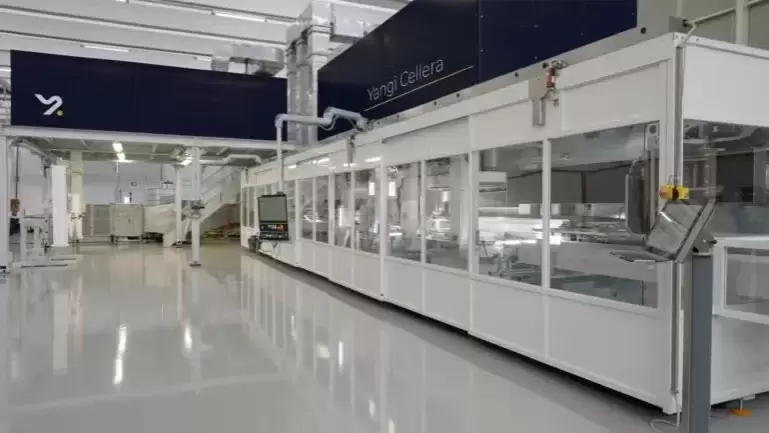
Swedish packaging technology developer Yangi is entering the US market with its Cellera dry-forming platform, targeting converters and brands seeking additional domestic capacity for fibre-based foodservice packaging.
The company will introduce the technology at PACK EXPO International in Chicago from 18 to 21 October 2026, presenting a quick-service restaurant range that includes plates, bowls, hot and cold beverage lids and takeaway trays.
Dry forming eliminates the conventional water slurry
Unlike traditional wet-moulded fibre production, Cellera forms cellulose packaging without relying on a water-based slurry and the associated drying stages. Yangi combines airlaid fibre formation with 3D thermoforming to produce rigid fibre structures at industrial speeds.
According to the company, the process can reduce water consumption by between 90% and 99% compared with conventional wet moulding. Eliminating intensive drying requirements also lowers the amount of energy and infrastructure needed around the production line.
Cycle times target high-volume foodservice production
Yangi reports production cycles as fast as 4.3 seconds, compared with typical wet-moulding cycles of approximately 30 to 60 seconds. The shorter forming cycle is intended to give converters greater throughput while avoiding the drying bottleneck associated with conventional fibre processes.
Energy consumption is stated at approximately 1.8 kWh per kilogram of material, compared with around 4 to 7 kWh/kg for wet moulding. Based on a third-party verified lifecycle assessment, Yangi estimates this represents an electricity reduction of roughly 55% to 75%.
US tariffs strengthen the case for domestic production
The market entry comes as US converters seek to increase domestic moulded-fibre production capacity. Demand for fibre-based foodservice formats has been growing, while tariffs and anti-dumping measures affecting imported moulded-fibre products are increasing pressure on brands to establish more resilient local supply chains.
Yangi is positioning Cellera as a way for existing converters to add renewable fibre formats without constructing the extensive water, drying and utility infrastructure traditionally associated with wet moulding.
Platform already operating in commercial production
Cellera has moved beyond pilot-scale development. Yangi commissioned its first serial machine platform at a European converter’s production facility in June 2026, marking the technology’s deployment in a commercial manufacturing environment.
The company says the platform demonstrated continuous operation, high uptime and repeatable product quality under industrial conditions. The system uses Yangi’s FiberIQ technology to control fibre distribution and material architecture during forming.
Foodservice trays tested in real operating conditions
Dry-formed takeaway trays have also undergone live foodservice testing through a collaboration with Swedish catering and food-truck operator Flavor Boss. The trial evaluated handling, moisture resistance and performance during a full day of festival service.
Yangi says its material recipes can be adapted to provide barriers against oil and moisture according to the actual requirements of each foodservice application, avoiding more complex multilayer structures where they are unnecessary.
Fibre packaging targets plastic replacement at scale
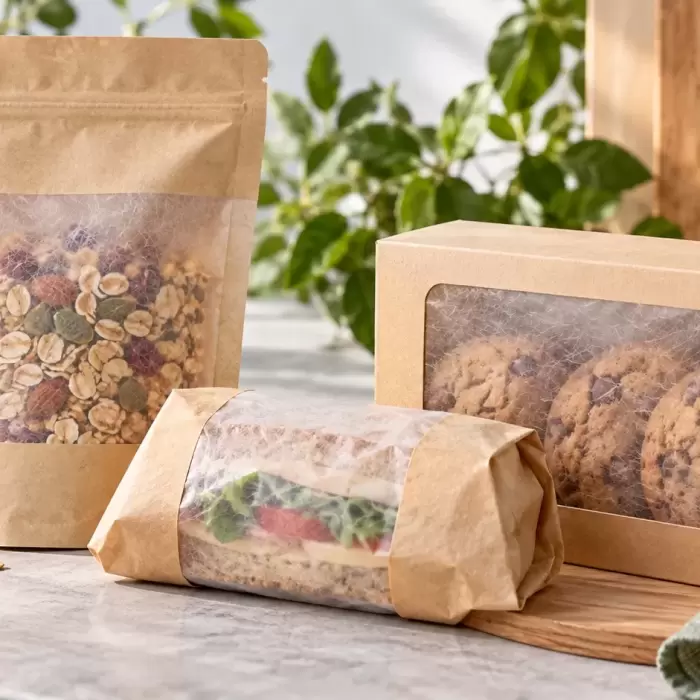
The finished products are manufactured from renewable fibre and designed to remain compatible with conventional paper recycling streams. Yangi also promotes its US offering as FSC-certified and PFAS-free.
As foodservice brands face pressure to reduce single-use plastic while maintaining performance and production efficiency, dry forming could provide another route to scaling fibre-based alternatives. Yangi’s US expansion will test whether the technology can move beyond European deployment and compete directly with established moulded-fibre production across one of the world’s largest foodservice packaging markets.








Comments (0)