
Packaging now represents around 40% of plate-making chemical demand as flexible packaging, labels and corrugated printing support growth through 2035.
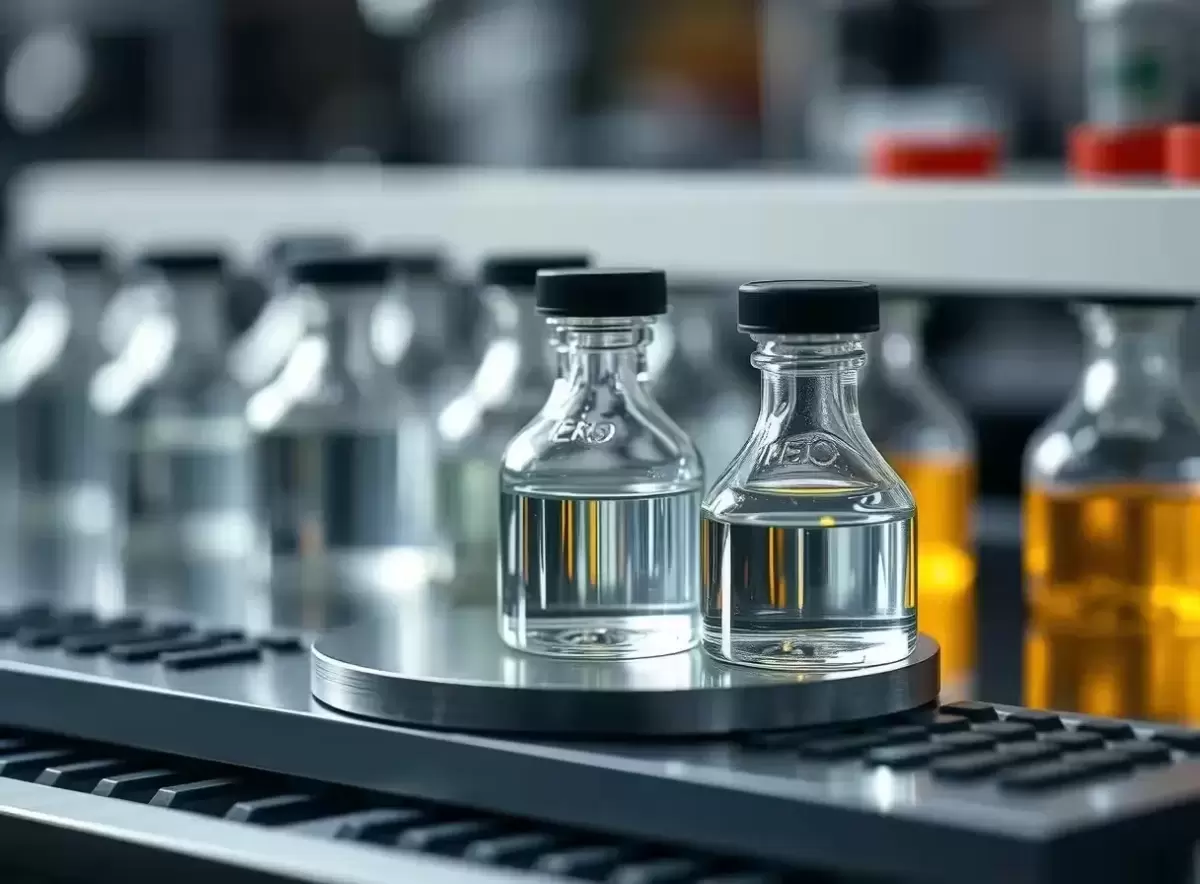
Packaging drives demand for plate-making chemicals
Packaging printing is emerging as the largest source of demand for plate-making chemicals as declining commercial print volumes reshape the global market for developers, finishers, cleaners and other formulations used in computer-to-plate production.
According to analysis from IndexBox, packaging now represents around 40% of global end-use consumption, supported by continued growth in flexible packaging, labels and corrugated board.
Packaging demand expected to grow through 2035
Packaging-related consumption of plate-making chemicals is forecast to increase by approximately 2.5% to 3.5% annually through 2035.
The growth reflects continued expansion in e-commerce, food and beverage packaging and shorter production runs that require faster turnaround and increasingly automated plate-processing workflows.
Computer-to-plate creates recurring consumable demand
Computer-to-plate systems now account for more than 85% of formulated chemical volumes, providing suppliers with a relatively stable replacement market even as new printing equipment installations slow.
Developers, finishers, gums and cleaning products remain recurring consumables, meaning chemical demand depends not only on new machinery investment but also on the utilisation of the installed printing base.
New substrates require reformulated chemistry
The increasing use of lightweight and recyclable packaging substrates is also creating new formulation requirements.
Plate-processing chemicals need to remain compatible with changing inks, coatings and materials while still delivering the print quality and process stability expected by converters operating high-speed packaging lines.
Low-VOC and water-based products gain value
Environmental regulation is encouraging printers and converters to adopt lower-emission and less hazardous chemistry, particularly in Europe and North America.
Low-VOC, water-based and lower-toxicity formulations can command higher prices but help customers meet regulatory obligations and corporate sustainability targets.
Compliance raises development costs
Rules including EU REACH, the US Toxic Substances Control Act and South Korea’s K-REACH are increasing the cost and complexity of bringing new chemical products to market.
IndexBox estimates that compliance requirements can add approximately 15% to 25% to development costs and delay new formulation launches by between 12 and 18 months.
Asia-Pacific dominates global demand
Asia-Pacific accounts for an estimated 45% to 50% of global plate-making chemical consumption and remains a major production base for standard-grade formulations.
The region benefits from large packaging and electronics manufacturing sectors, while Europe and North America are increasingly focused on premium chemistry, environmental compliance and higher-performance products.
Commercial printing continues to decline
Traditional commercial printing remains part of the market but is no longer its main growth driver. Demand from magazines, brochures and catalogues is expected to decline by around 1% to 2% annually through 2035 as digital media continues to reduce print volumes.
Specialist applications such as premium publications and personalised marketing are expected to retain some demand for conventional plate-making processes.
Electronics adds a higher-value niche
Industrial electronics is becoming another important market for plate-making chemistry, particularly in printed circuit board production and component marking.
These applications can require higher-purity formulations and tighter process control, giving suppliers opportunities to compete on technical performance rather than volume alone.
Market shifts toward specialised formulations
IndexBox expects global plate-making chemical consumption to grow at around 2% annually by volume between 2026 and 2035, with market value increasing more quickly as customers move towards premium formulations.
For packaging converters, the trend shows how growth in flexible packaging, labels and corrugated printing is influencing not only machinery and inks but also the specialised chemical supply chain supporting plate production.









Comments (0)