
Researchers develop biodegradable starch-chitosan films that change colour with food spoilage while improving barrier and antibacterial performance.
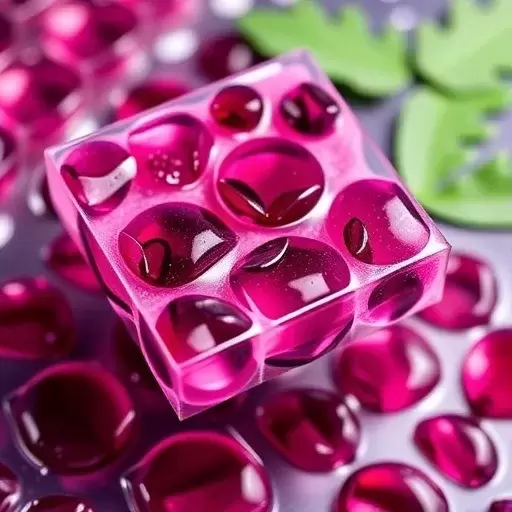
Researchers develop multifunctional smart packaging film
Researchers have developed biodegradable starch-based films incorporating chitosan nanoparticles and anthocyanins, creating a packaging material capable of combining food freshness monitoring with antibacterial activity and improved physical performance.
The research explores how natural polymers and plant pigments can be integrated into a single material that not only protects food but also provides consumers with a visible indication of changes occurring during storage.
Anthocyanins provide colour-based freshness indication
Anthocyanins are natural pigments whose colour changes according to surrounding pH conditions. This characteristic makes them particularly attractive for intelligent food packaging, where changes in acidity can indicate microbial activity or product spoilage.
By incorporating the pigment directly into the film, the packaging can respond visually to changes in the food environment without requiring electronic sensors or additional labels.
Chitosan nanoparticles strengthen the film structure
The researchers combined starch with chitosan nanoparticles to address some of the limitations normally associated with starch-based packaging, including weak moisture resistance and relatively low mechanical performance.
Nanoparticle reinforcement improved the structural stability of the film while also contributing antibacterial functionality, allowing the material to perform both protective and active roles.
Antibacterial properties add active packaging functionality
Chitosan is known for its natural antimicrobial properties and can inhibit the growth of selected microorganisms when incorporated into packaging materials.
This means the film does more than signal changes in food quality. It may also help slow microbial deterioration, creating a combined active and intelligent packaging system within the same biodegradable structure.
Barrier performance improves with formulation changes
The study found that the interaction between starch, chitosan nanoparticles and anthocyanins improved several functional characteristics compared with the base starch film.
Water vapour resistance, thermal stability and mechanical strength were enhanced, helping address some of the technical weaknesses that have historically limited wider commercial adoption of starch-based packaging.
Colour response supports real-time monitoring
The material displayed visible colour changes when exposed to different pH environments, providing a simple visual signal that could potentially be used to monitor the freshness of meat, seafood and other perishable foods.
This approach could give consumers more direct information about product condition rather than relying exclusively on fixed expiry dates, which do not always reflect actual storage conditions.
Natural pigments offer an alternative to electronic sensors
Smart packaging is increasingly incorporating digital technologies, RFID and electronic sensors, but natural colour indicators provide a lower-complexity route for certain applications.
Anthocyanins can be sourced from plant materials and food-processing side streams, potentially allowing freshness-monitoring functionality to be introduced without adding complex electronic components to the package.
Commercialisation still faces stability challenges
Several technical barriers remain before anthocyanin-based films can be widely commercialised. Natural pigments can degrade when exposed to heat, oxygen and light, which may reduce the reliability of the colour response over long storage periods.
The researchers also note that further testing is required to evaluate mechanical durability, food-contact safety, scalability and performance across different products and real distribution conditions.
Biodegradable packaging becomes increasingly multifunctional
The study reflects a broader move away from viewing biodegradable materials solely as replacements for conventional plastics. Researchers are increasingly developing bio-based packaging that also provides barrier, antimicrobial or sensing functions.
Combining these properties could improve the commercial case for alternative materials by allowing a single packaging structure to deliver several forms of value simultaneously.
Smart films could help reduce both plastic and food waste
If the technology can be successfully scaled, freshness-indicating biodegradable films could address two sustainability challenges at once: reducing dependence on conventional plastic packaging and helping prevent unnecessary food disposal.
The combination of starch, chitosan and anthocyanins demonstrates how natural materials can be engineered into packaging systems that actively protect products while communicating their condition directly to consumers.









Comments (0)