
Pharmaceutical packaging plays a vital role in protecting medicines from contamination, moisture, light, and other risks while maintaining quality and stability. The article highlights key safety requirements, packaging types, recent FDA regulatory developments, and opportunities for advanced, traceable, and sustainable pharmaceutical packaging.
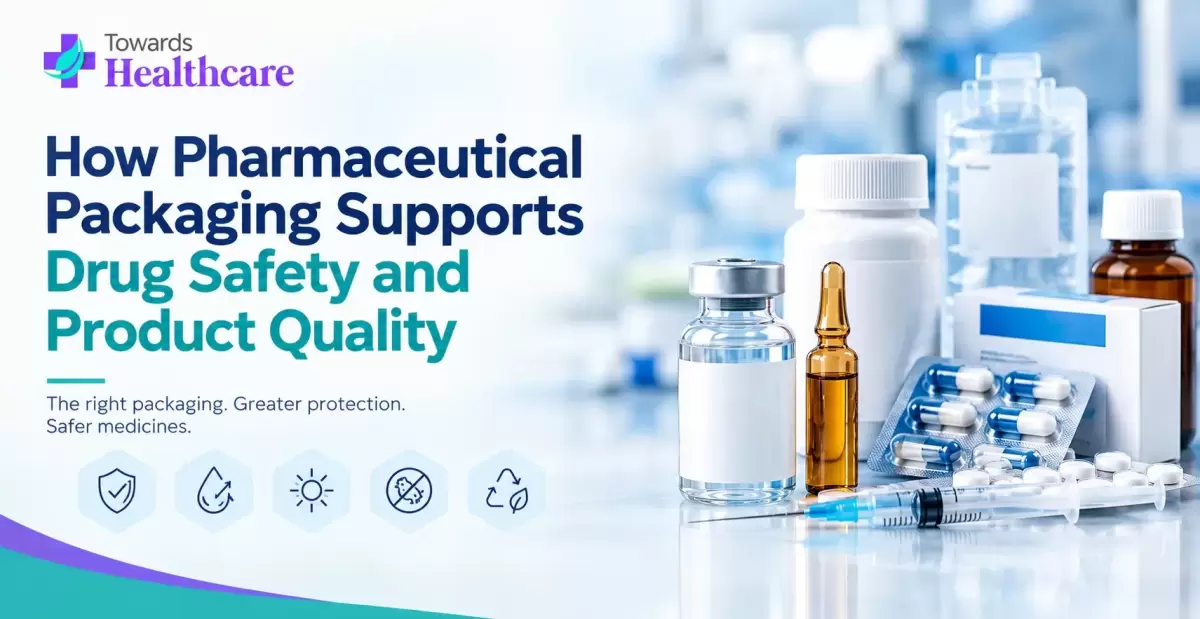
Pharmaceutical packaging does more than protect medicines during transportation. It helps maintain drug quality, stability, sterility, and safety from manufacturing through patient use. The right container-closure system must protect medicines from moisture, light, contamination, and other external factors while remaining compatible with the drug formulation.
Key Safety Requirements
Container integrity and sterility are essential for injectable and other sterile medicines. Packaging must maintain a reliable barrier until the product is opened or administered. Material compatibility is equally important because substances can migrate from packaging into medicines. WHO guidance highlights the need to evaluate material selection, moisture and light protection, compatibility, leaching, and packaging performance.
Packaging also supports accurate identification and safe use through appropriate labeling, dosage information, and tamper-evident features.
Latest Regulatory Development
Packaging requirements are receiving continued regulatory attention. In August 2026, the U.S. FDA issued draft guidance on container-closure systems for human drugs and biological products, covering systems used for medicines, biologics, and certain combination products. The draft provides principles for evaluating container-closure quality and is open for public comment until October 13, 2026.
In July 2026, FDA also issued draft guidance addressing container-closure systems and device components for biosimilar and interchangeable biosimilar products.
Packaging Types and Opportunities
Common pharmaceutical formats include vials, ampoules, blister packs, strips, sachets, bottles, and prefilled syringes. Primary packaging directly contacts the medicine, while secondary packaging provides additional protection.
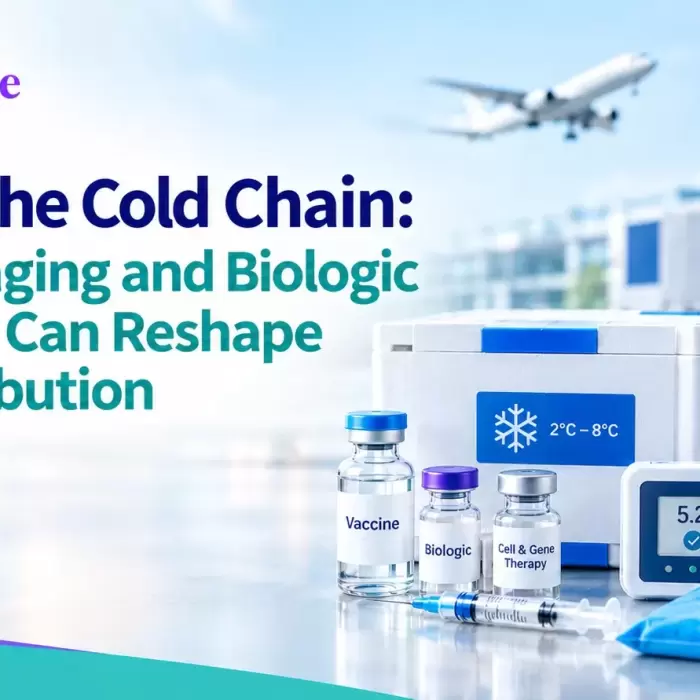
As biologics, biosimilars, specialty medicines, and temperature-sensitive products expand, pharmaceutical packaging creates opportunities for advanced barrier materials, smart packaging, improved traceability, and stronger container-closure systems. The challenge is balancing product protection, regulatory compliance, cost, sustainability, and packaging performance.
Reference
https://www.towardshealthcare.com/insights/pharmaceutical-market-sizing
https://www.towardshealthcare.com/insights/biologics-market-size





Comments (0)